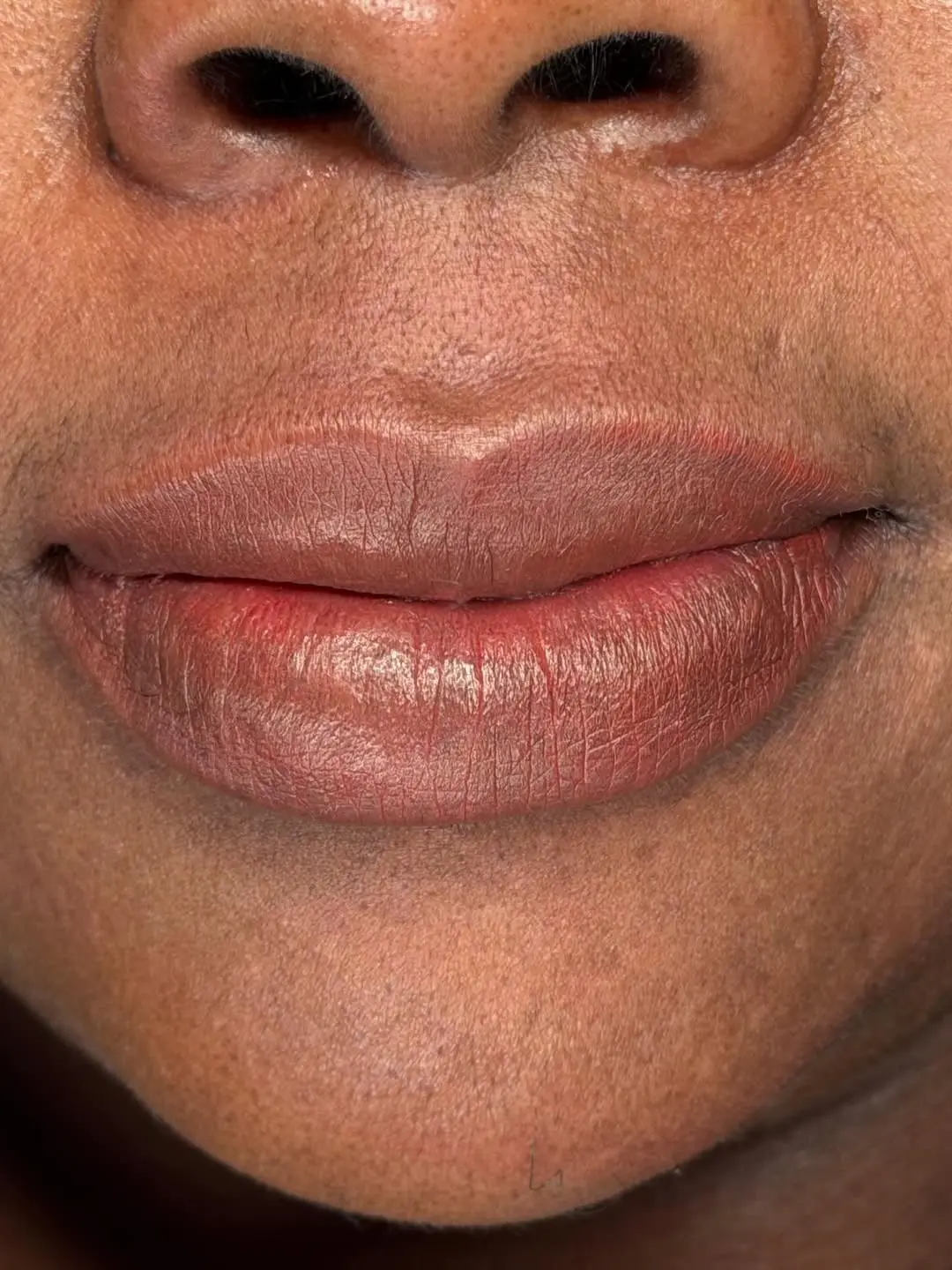
The moment you type Healing Lip Tattoo into Google, you’re probably somewhere between hyped and freaking out a bit – and I totally get it. As a cosmetic tattoo artist in Melbourne, I’ve worked with hundreds of clients through the healing process of lip tattoos, and every last one of them is scrabbling for answers: what can you expect with lip blushing healing and what’s normal, anyway?
In this little guide, I’ll break down the lowdown on lip blushing healing times for you, explain what your lip skin is doing day in day out, and share the same advice I give every new client who walks through the door at Face Figurati.
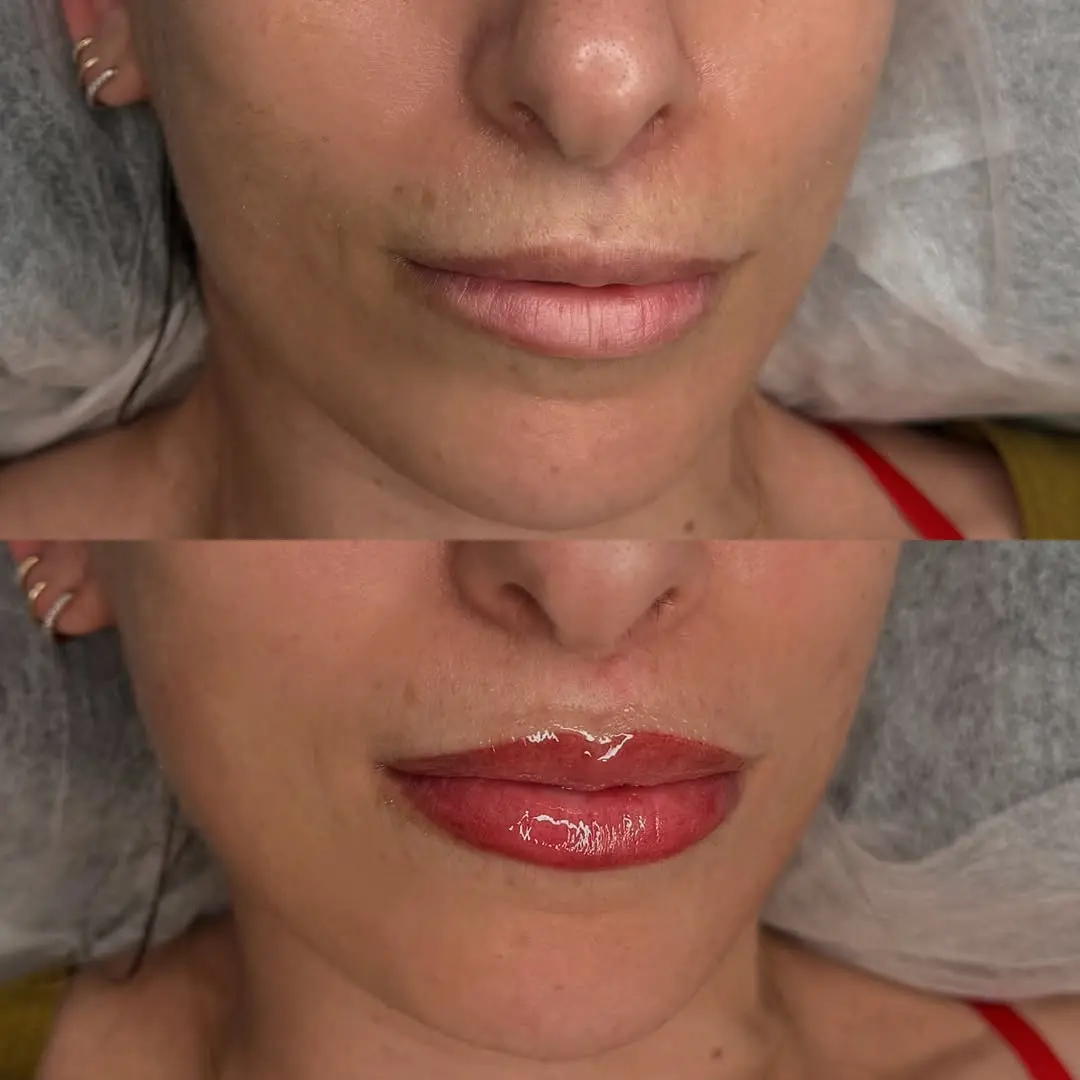
How Long Does Lip Blush Really Take to Heal?
Youd be laughed out of the salon if people didn’t think it was done and dusted in 2-3 days. But semi-permanent lip tinting is still a medical procedure, and your body just sees it as another tattoo, so it needs some TLC, some aftercare ointment, and a lot of patience during the first week. The healing process unfolds in clear stages, each designed to do a specific job, and understanding what they are makes the whole thing a lot less dramatic.
Most of my clients say to me, “Olha, if I’d known it was all so normal, I’d have relaxed a lot more.” Which is precisely why I’m sharing all this, so you don’t have to find out the hard way.
All You Need to Know About the Lip Blushing Healing Process
Before we get into the nitty-gritty, here’s the simple truth: most lip tattoos look pretty good on the surface within 10-14 days, but the actual colour is going to take about a month to really come out. That timeline holds true for most people, unless age, skin type or cold sores get in the way – which I’ll explain in more detail below.
The First 24 Hours
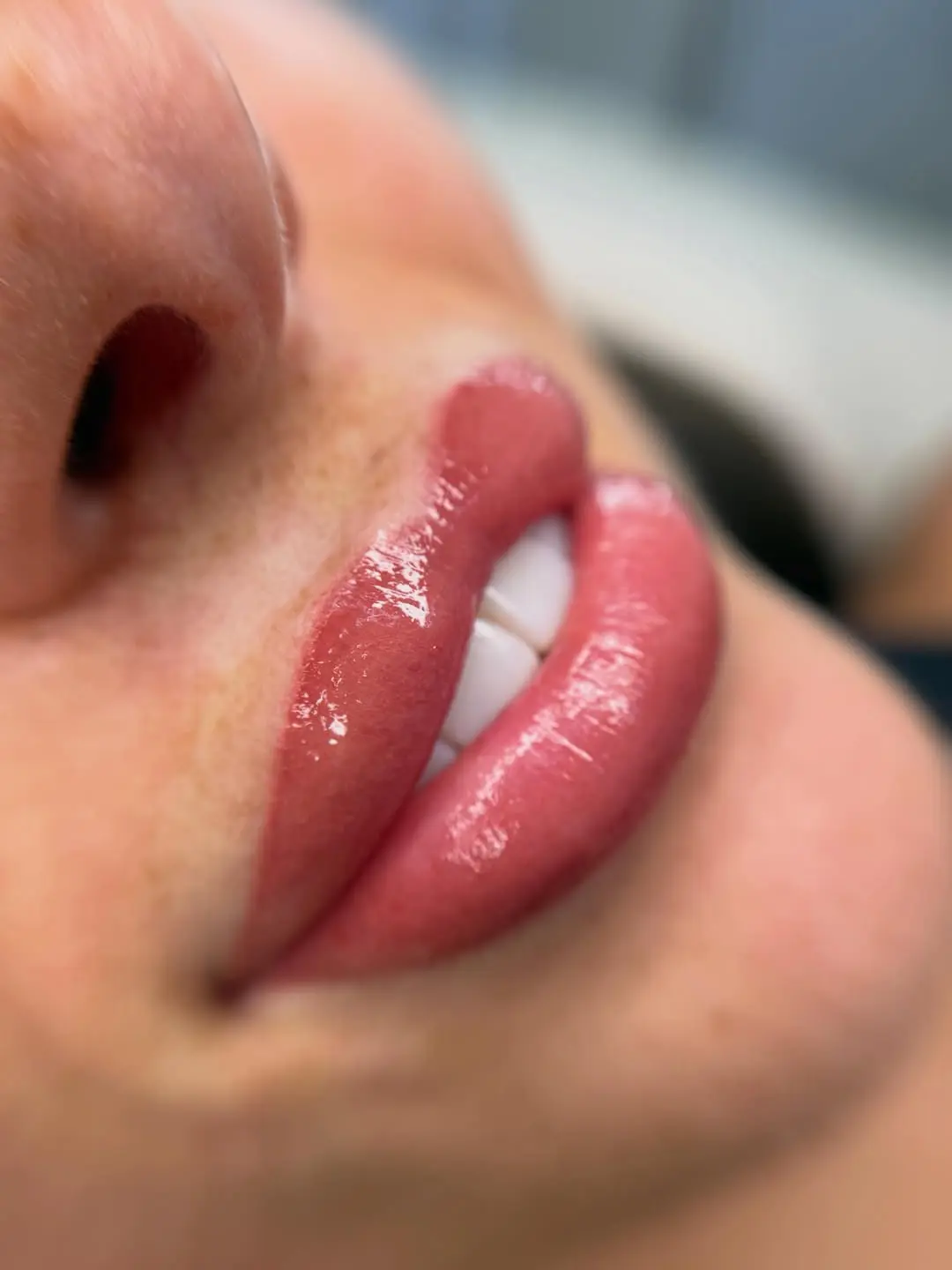
This is the stage at which your lip blush tattoo will look bold. Freshly done lip tattooing looks 30-40% darker right after the session, especially because your skin is going to be a bit inflamed.
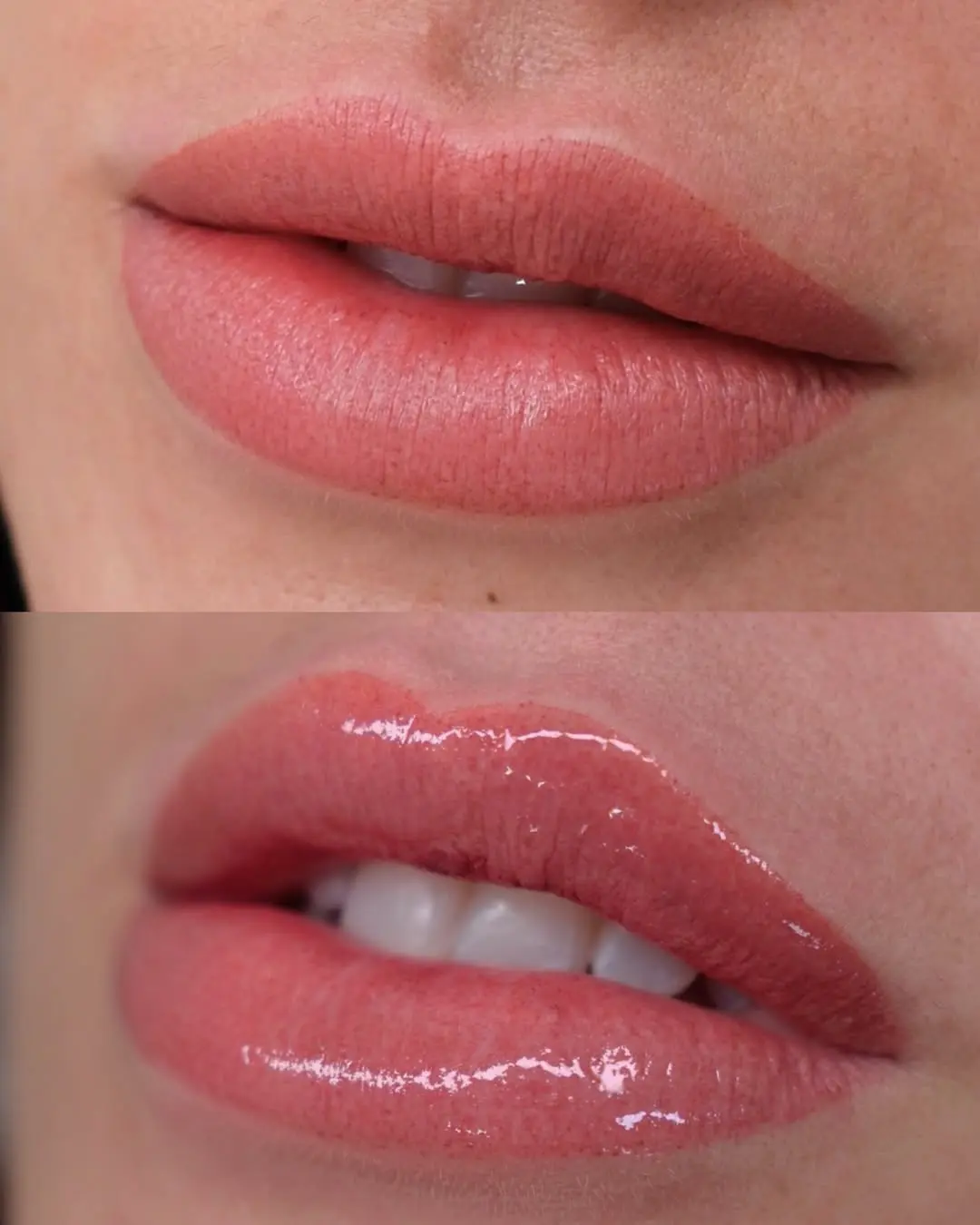
You might notice your lips are:
- Feeling a bit warm
- Looking a bit swollen — this is a normal part of managing swelling after cosmetic lip tattoo procedures during the first 24 hours.
- Feeling tight, like you’ve got a nasty sunburn
These are all perfectly normal. Your lip pigment shade is going to be closer to the surface on day one, so don’t be surprised if it looks a bit more intense than you expected. Just keep your lips clean, try not to mess with them and apply some of the healing balm or ointment we provide sparingly – too much moisture is just going to slow down the healing process.
And for goodness sake, don’t go putting any retinol, alpha hydroxy acids or glycolic acid near your mouth – they’re just going to irritate your skin even more.
Day 2 & 3: When The Magic Slows Down
Now the colour’s going to start mellowing out a bit. Most of the swelling will have gone, and your lips might start to feel a bit dry, as if you’ve been sipping too many cappuccinos without rehydrating.
So from now on:
- Stick to a good, gentle cleanser for the surrounding skin
- Pop on a thin layer of one of our Aftercare Products, like Aquaphor Healing Ointment
- Try to avoid spicy food, hot showers and any UV exposure – trust me, you don’t want to be messing with your skin right now
Some people might get a bit of a weird ‘tight lipstick’ sensation – that’s just your skin forming a protective layer, and it’s totally normal.
Days 3-5: When The Flaking Began
Now this is where most people freak out about the healing process, but honestly, flaking is just your skin renewing itself in a big way.
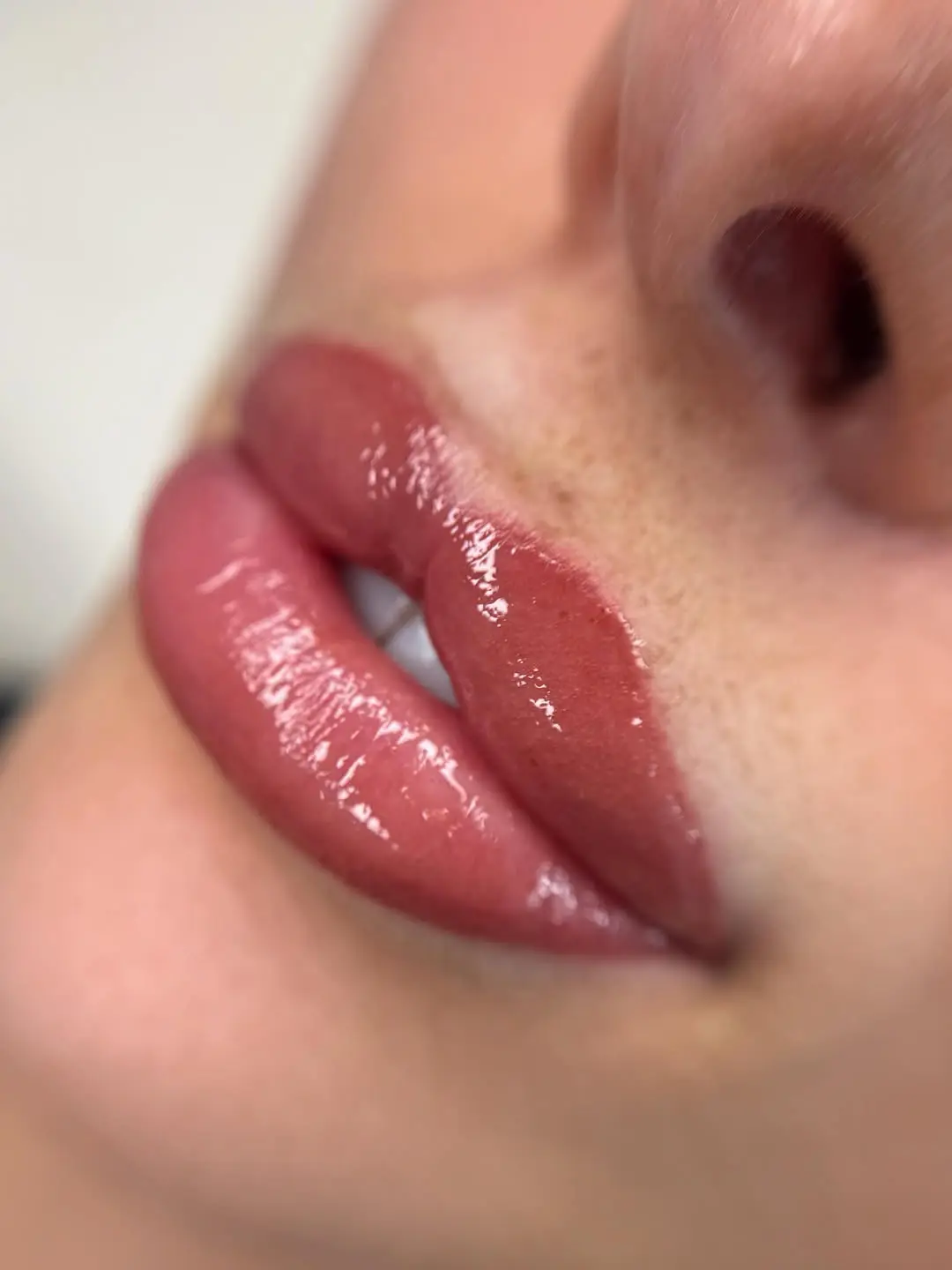
Keep an eye out for:
- Some light peeling
- Uneven patches
- Temporary gaps in the colour
- A bit of dryness, like you’ve got chapped lips
Rule number one: leave it alone.
Don’t go picking at your lips or trying to ‘help’ the healing process – you’ll just end up with lighter patches later on.
Stick to your healing balm and avoid applying coconut oil, vitamin E oil, or any other skincare product unless we’ve told you it’s okay to use it.
Days 6-14: The Infamous “Ghosting” Phase
If you’ve ever heard anyone say, ‘My lip colour has vanished!’ – it’s usually during this stage.
- Ghosting isn’t the colour fading
- It’s not because the treatment didn’t work
- It’s not because the colour’s just not coming in
It’s just the new skin growing over the pigment, so it looks a bit pale for a bit. I’ve had clients message me in a state of panic, saying, “Olha, what’s going on with my lip tattoo?! It looks like it’s disappeared!” – and it’s all just part of the healing process.
Your job during this phase is to:
- Keep your lips protected with some decent lip balm with SPF when you’re out and about
- Avoid UV rays like the plague
- Keep using your healing ointment lightly
- Trust that the healing process is just going to plod along, and be patient
This stage is temporary, and once the skin settles, the pigment will start coming back.
Weeks 4–6: The Big Reveal – What To Expect Next
By this time, you’ll start to actually see the true colour of your lip tattoo. The pigment settles in and starts to show the shade we picked out together when you came in for the procedure.
At this point:
- The pigment starts to stabilise and stops shifting around
- Your lips look and feel smoother again
- The final result really starts to come together, and the colour becomes apparent
Clients who choose more defined borders are often surprised by the difference that careful lip liner tattoo pricing considerations can make when planning future refinement appointments.
Most people end up booking a touch-up session around 6-8 weeks after the procedure. At Face Figurati, I’ve noticed that around 75-80 percent of my clients refresh their look in the second appointment, especially if they need a bit of tweaking in the lip line tattoo area now that their lips have fully healed.
Dealing with Cold Sores, Medications & Infection Risks
Cold sores are one of the biggest concerns for anyone getting lip blushing – especially if you’ve had them before. Any irritation to the lip skin can lead to a flare-up, and if you get one of those, you’ll end up with a distorted pigment and a longer healing time.
If you’ve had cold sores in the past, I highly recommend going on antiviral medication – it’s a total game-changer when it comes to keeping those things at bay.
In my studio, I make sure to get clients on this medication 1-2 days before the procedure and also for the 3-5 days after. Skipping this step can lead to uneven pigment retention and increased inflammation.
Please use only the antibacterial ointment I instructed you to use; some varieties can discolour your lips or dry them out entirely.
How Your Skin Type & Age Affect Healing
I’ve worked with loads of clients with all sorts of skin types over the years, and what I’ve found is that different types really do react in different ways to permanent makeup.
Your Skin Type
- Dry skin: Heals super quick, but can flake a lot
- Oily skin: Struggles with pigment retention and may take longer to settle
- Mature skin: Heals more slowly and may swell a bit more
- Fair skin: Tends to pull warm, which can mean your healed colour ends up looking more coral
- Melanin-rich lips: May need a lip neutralisation session to get things even.
Getting Older & How It Affects The Outcome
As you get older, your skin takes longer to regenerate, which means your colour may look softer at first or take longer to develop fully.
Whether you’re young or old, though, the two biggest factors that influence the outcome are how well you follow aftercare instructions and how much sun you get.
Hygiene, Safety, and Why Healing Starts in the Chair
Healing starts long before you leave the salon. It begins with the hygiene standards used during the cosmetic procedure.
At Face Figurati, I maintain:
- single-use sterile needles
- tools covered with barrier film
- pigments selected for safe lip tattooing
- a blood-borne pathogen certificate ensuring safe handling
- topical agents such as Zensa Numbing Cream applied correctly
A clean environment reduces your inflammatory response and ensures better pigment retention. Once you leave the studio, it’s your aftercare that determines how beautifully the lips heal.
Healing Myths I Keep Hearing Repeatedly
Let’s get to the bottom of some of the beauty myths I hear all the time
“If I get peeling directly after my treatment, something must have gone wrong.”
No way; it’s just regular lip skin exfoliation.
“My colour seems to have faded away during the peeling process — did something mess up?”
It’s probably just the healing process doing its job.
“More ointment means faster healing.”
Not exactly the case – too much ointment can actually suffocate the area.
“Using chemical exfoliants will speed up the healing process.”
Not a good idea – glycolic acid, retinol and alpha hydroxy acids can really mess with the pigment.
“Once the peeling has stopped, I get to go ahead and get some colour from the sun.”
Think again – UV exposure can cause uneven healing and long-term colour fading.
Lip Tattoo Healing Timeline Table
| Healing Stage | What You See | What You Should Do |
|---|---|---|
| Day 1 | Intense colour, swelling, warmth | Keep clean, use healing balm lightly |
| Days 2–3 | Tightness, dryness | Avoid UV exposure, use pH Balanced Cleanser around the mouth |
| Days 3–5 | Flaking, patchiness | Don’t pick; apply Aquaphor Healing Ointment lightly |
| Days 6–14 | Ghosting, pale lips | Apply SPF Lip Balm, avoid Chemical Peel Agents |
| Weeks 4–6 | True colour reveal | Assess if you need a touch-up session |
In my Melbourne studio, around 75% of lip blushing clients experience ghosting between days 6–12, and around 80% perfect their results after the refinement appointment.
Real Studio Insight
Recently, a client came in fretting that her lip pigment shade was looking “way too bold.” A day later, it had softened a bit, and by day six, she was convinced her Cosmetic Lip Tattoo had vanished. Then at week four, the soft rose colour finally settled in beautifully – just as we had mapped out during the appointment.
Even the climate here in Melbourne has a bit of an impact on healing – dry winters cause more peeling and humid summers get clients overusing coconut oil or balm – both of which can affect retention if they’re not monitored.
FAQ
How long does Lip Tattoo Healing take?
Surface recovery is usually around 10-14 days
However, it takes about 4-6 weeks for the actual colour to appear.
Why is my lip colour looking lighter after peeling?
That’s just the usual ghosting phase – the pigment isn’t gone, it’s just underneath the new skin.
Can I apply lipstick while I’m healing?
Not during the first week – lipstick and chemical treatments can really irritate fresh tattooed lips.
What if I get a cold sore while I’m healing?
Unfortunately, it may affect pigment retention. Please call your artist and follow the antiviral medication guidelines.