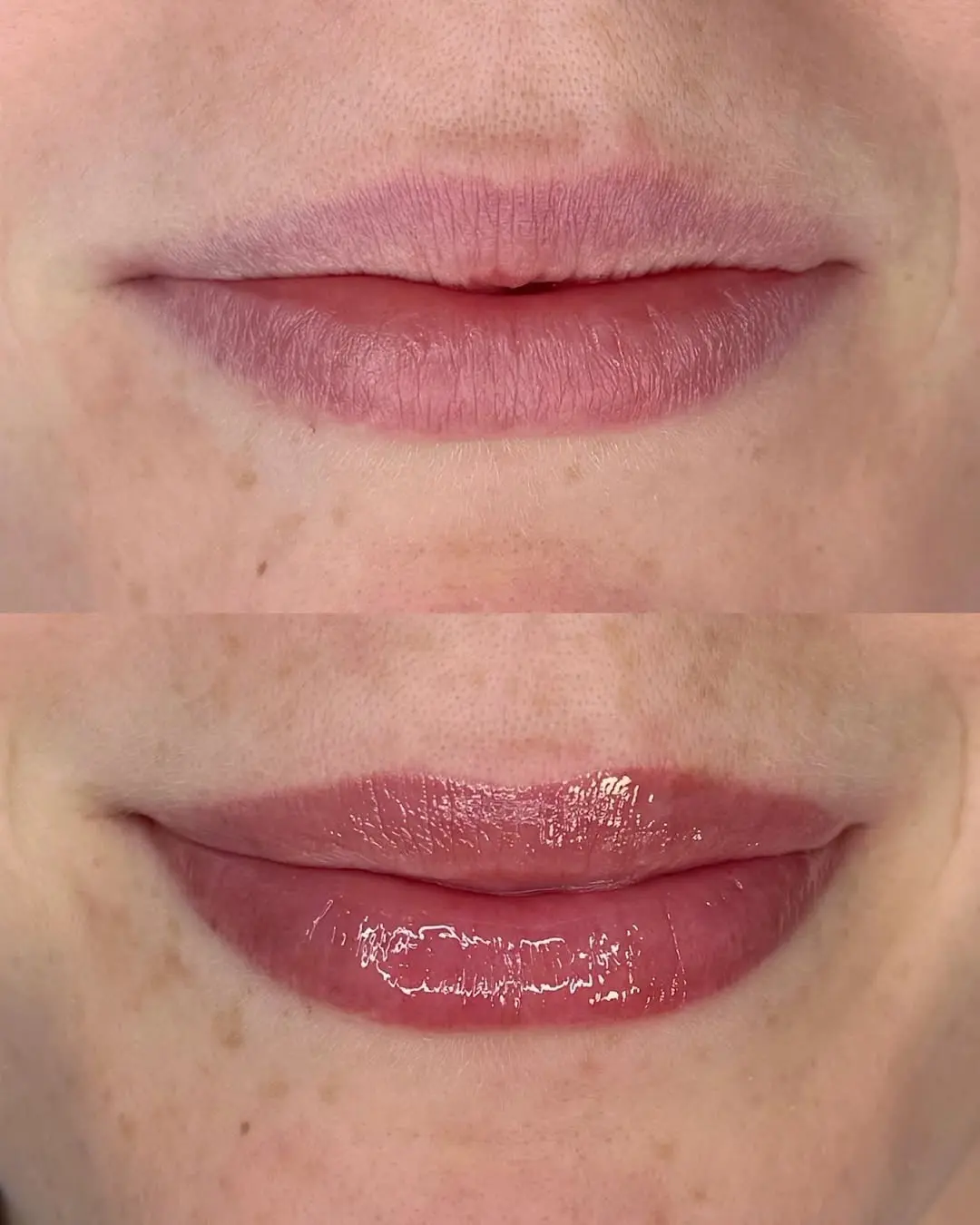
How do laser tattoo removal courses teach ‘yellowing’ or ‘neon’ ink changes? The better laser tattoo removal courses don’t just gloss over the fact that these colour shifts are real – they get into the science behind them, and explain that pigment-specific reactions need to be approached with a degree of caution, some careful patch testing, realistic client education, and sometimes a rethink of the plan. If a course just tells you “laser removes all colours” and moves on, that should be a pretty clear warning sign.
I’m Olha Po, the founder of Cosmetic Tattoo Studio Melbourne Face Figurati, and I’ve seen my fair share of clients come in after their old cosmetic tattoos have turned a pale yellow, fluorescent peach or some other bright, totally unexpected tone after previous treatments. It’s not just frustrating – it can be really confusing and even a bit confronting, especially when you were expecting the tattoo just to fade away.
The thing is, good training doesn’t try to sweep this topic under the carpet. It teaches you why these colour shifts occur, how to reduce the risk of them happening, and when a laser might not be the best next step. A solid laser tattoo removal course should give students a good understanding of these scenarios before they even start using a machine.
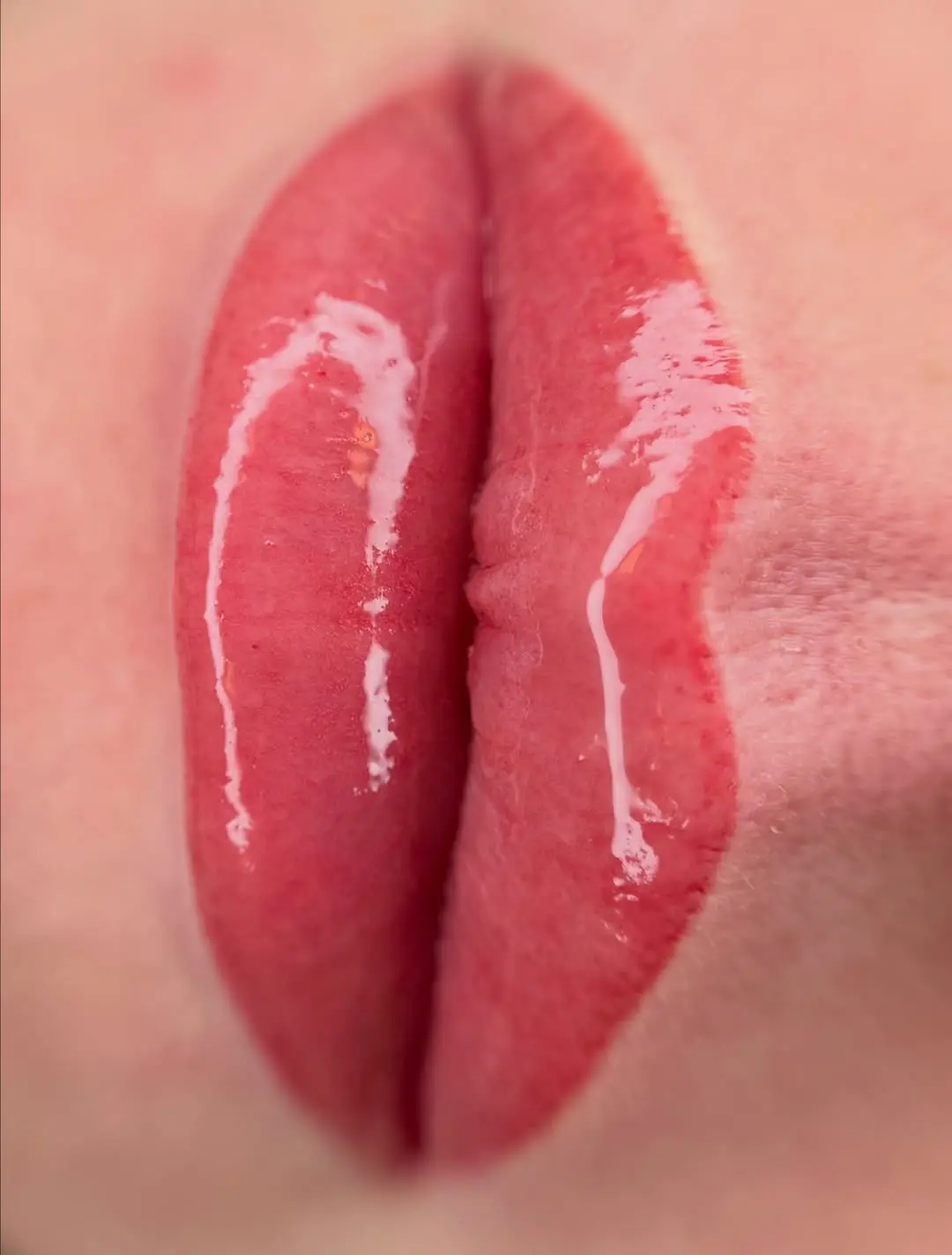
Why Older Pigments Can Shift Into Bright Residue
This is where science comes in – and fortunately, it’s more important than marketing hype. Not all pigments behave the same way when exposed to laser energy, especially with older cosmetic tattoo inks and some body tattoo colours.
Historic pigments which were used in a lot of past tattoo work included things like:
- Titanium dioxide (which is often used to make colours lighter)
- Iron oxides
- Mixed organic colourants
- White modifiers that were used in a lot of brow, lip, camouflage and correction work
When laser energy hits certain tattoo ink particles, they chemically interact with the surrounding skin. And instead of just fading away cleanly, the tattoo may suddenly turn up with:
- A pale yellow residue
- Bright salmon or peach tones
- Neon orange hints
- Fluorescent-looking patches that only show up when you shine a bright light on them
- Uneven colour zones
This is actually a lot more common with cosmetic tattoos than people realise, because the way PMU pigments are formulated is a bit different from the classic body art inks used for, well, most tattoos.
At Cosmetic Tattoo Studio Melbourne Face Figurati, I always tell my clients that tattoo removal is as much about chemistry and skin biology as it is about zapping away unwanted colours – it’s not just a matter of using a magic eraser.
What Strong Education Programs Should Cover
A solid education program shouldn’t just hand you a machine and a pair of laser safety glasses and send you on your way. It should teach you about decision-making and help you develop the skills you need to make informed choices about how to remove a tattoo safely and effectively.
Core Training Areas
| Training Topic | Why It Matters | Real-World Benefit |
|---|---|---|
| Pigment Composition Basics | Different inks react differently | Helps avoid poor treatment choices |
| Colour Theory | Some colours shift before fading | Sets realistic expectations |
| Fitzpatrick Skin Typing | Skin tone affects risk profile | Safer settings and planning |
| Patch Testing | Predicts unusual reactions | Reduces surprises |
| Laser Wavelength Selection | Different wavelengths target different colours | Better outcomes |
| Wavelength Settings | Incorrect settings can worsen reactions | Safer treatment planning |
| Contraindications | Some clients should delay or avoid treatment | Protects skin health |
| Alternative Removal Methods | A laser is not always the best | More ethical recommendations |
Courses that skip these areas often create overconfident operators. That is when trouble starts.
How Trainers Demonstrate Unusual Colour Reactions
The best educators are those who use real examples to make a point, not vague theory.
They tend to teach in ways that include:
Before-And-After Case Studies
Students love looking at before-and-after cases where some people’s dark brows have faded beautifully, yet others’ white-based pigment has turned a weird bright colour after just the first session.
Pigment Ingredient Discussion
Operators learn why older cosmetic tattoo pigments may contain lightening agents that can react unpredictably with a Q-Switched laser, a ruby laser.
Test Spot Protocols
Instead of jumping in and treating the whole brow at once, students learn to start with a small test area and then reassess once it’s all healed.
Honest Expectations
And that’s why it’s so important to teach students to be honest and upfront with clients about what to expect – so they know not to get their hopes up.
- “This might not be gone after the first session.”
- “Some of the older colour may be difficult to remove – it’s not always complete.”
- “We might need to try a few different things.”
- “It’s not always possible to get rid of it fully.”
You see, if you’re honest with your clients, they’re way more likely to trust you – rather than getting burned by some over-sales pitch. And that’s exactly what a worthwhile laser tattoo removal course should teach students to do.
Common Beginner Mistakes With Difficult Ink
Let’s face it – new techs often make some pretty basic mistakes when it comes to tough ink. Mistakes like:
- Treating the whole area before even doing a patch test
- Ignoring the history of the tattoo
- Assuming it’s standard black ink, when in reality it’s been dyed in some crazy colour
- Chasing the ‘whitening endpoint’ too hard
- Not warning clients that the colour might change in some way
- Making promises they can’t keep – like the ink will be gone in one or two sessions
I mean, I’ve had clients come in after being promised the world – only to turn up looking like they have bright apricot brows and are totally stressed out. Good training would have prevented all that.
Why Facial Cosmetic Work Needs Extra Planning
Eyebrow tattoos, lip blush in Melbourne and eyeliner are super high maintenance because they’re on the face – so aesthetics have to be top priority, and downtime can be really, really visible.
And let’s be honest, cosmetic tattoo pigments are often a crazy mix of different colours to mimic natural hair or skin colour, which can make removal a real challenge, especially in sensitive areas. That’s why you need to take extra care.
Example From Studio Life
I had a client turn up at Face Figurati with some seriously dodgy old grey-brown brows that had been done elsewhere years ago. After a previous removal attempt, the front bit had turned a weird, warm yellow colour. Instead of rushing in and trying to laser it off again, we just talked about staged correction planning and getting some expert help in.
And that slower approach usually ends up saving the client’s skin – and their sanity.
What A Safe Consultation Should Include
A good consultation is way more than just a bit of paperwork. You need to spend proper time on it.
A Good Consult Covers:
- Age of the tattoo
- Original treatment type (microblading, machine brow, lip blush, etc.), including when permanent makeup is suitable after lip fillers where relevant.
- Previous laser sessions
- Previous saline or acid removal attempts
- Skin sensitivity history
- Keloid tendency
- Current medications
- Sun exposure habits
- Healing expectations
- Use of numbing creams before prior treatments
In Melbourne, timing can be really important – especially with clients who are trying to get treatment before a big event, particularly when they are weighing up what lip blushing can cost in Australia alongside a realistic treatment plan. stuck with a fresh red face before a beach weekend is not exactly ideal.
And don’t even get me started on some of the beauty and wellness clinics I’ve seen that use that dodgy secure booking software or client management system to track client history and whatever…
Realistic Timeframes For Stubborn Pigment
No one can honestly promise you a specific time frame for stubborn pigments, but most of the time, they follow a pretty predictable process – one that takes some time and a few attempts.
General Guide Only
| Stage | Approximate Timing |
|---|---|
| Consultation + patch test | Week 0 |
| Review reaction | 6–8 weeks |
| The first full session is suitable | After review |
| Further sessions | Every 8+ weeks |
| Reassessment for leftover colour | Ongoing |
| Alternative correction options | If progress stalls |
Some clients need fewer sessions. Others need patience. Skin response matters as much as pigment type.
Healing Support That Courses Should Teach
Courses really should give aftercare its due, because if healing goes pear-shaped, it can make things a whole lot worse.
Standard Aftercare May Include:
- Keep the area clean and dry initially
- Avoid picking flaking skin
- Avoid active skincare acids near the area
- Avoid sun exposure and tanning
- Use recommended soothing products only
- Cooling devices may be used immediately post-treatment, where appropriate
- Apply suitable antibacterial creams only if professionally advised
- Report blistering, infection signs, or unusual pain promptly
Just one more thing, please can’t go and book in for laser hair removal and then head straight off to a sweaty bootcamp session because lets face it, your skin does not need chaos – it needs calm.
Why Multiple Sessions Are Often Needed
Tattoo removal research keeps telling us the same thing – multiple sessions are pretty much par for the course, especially if you’re looking to get rid of multicoloured or super stubborn pigments. This is because the makeup of cosmetic tattoos can be a bit more hit and miss than what you’d find on your own skin.
Now, if a training course promises to “get rid of your tattoo in one day“, you should probably just keep walking.
How To Compare Training Providers Wisely
If you’re thinking about training yourself to do laser work, here are a few questions you should probably be asking:
Ask Before You Pay
- Do you cover cosmetic tattoo pigment reactions?
- Do you teach bright residue and stubborn tones?
- Is Fitzpatrick skin typing included?
- Are live case studies shown?
- Do students learn consultation scripting?
- Is complication management taught?
- Is post-course mentoring available?
- Do you teach safe clinic setup using practical equipment, such as adjustable, comfortable chairs or massage tables, to support clients?
If the answer to any of these is just that you show settings, then that’s not going to cut it.
Be wary of trainers who just show off their stuff all over social media but can’t back it up with any qualifications, safety standards, or actual proof of successful treatments.
Final Thoughts From Olha Po
Don’t tell yourself that yellowing or changes in neon pigment aren’t real. They’re not rare – and they’re definitely worth taking seriously, especially when it comes to older cosmetic tattoos that contain weird stuff or have mixed pigments.
The best laser tattoo removal courses teach you to cover the science, to be cautious, and to be honest. They also teach you to patch test, set expectations, look after your skin, and know when something else might be the better option.
At Cosmetic Tattoo Studio Melbourne Face Figurati, I always say the same thing: the smartest treatment plan isn’t the fastest one; it’s the one that’s safest and offers the most realistic outcome.
FAQ
Can stubborn bright residue be completely removed?
Well, sometimes yes – sometimes a bit – and sometimes it just won’t budge. It all depends on the ingredients, how deep it is, how old it is, and how the skin reacts.
Why did my eyebrows turn a weird colour after treatment?
Sometimes this happens because of how the laser breaks down the pigment, or because some ingredients just don’t get along with laser energy.
How can I tell if a training provider is doing it right?
Ask them if they cover pigment chemistry, patch testing, complications, and case studies, rather than just showing you machine settings.
Are there ever times when non-laser treatments might be worth considering?
Yeah, sometimes they are. It all depends on the state of your skin, whether you’re at risk of scars, how deep the pigment is, and what else has already been done to it. A proper assessment is vital.
How long does corrective fading usually take?
It’s often several sessions – weeks apart – before you see and feel any real improvements. And if you’re looking to get rid of resistant colours, it can be longer than just a quick fix for a dark body tattoo.