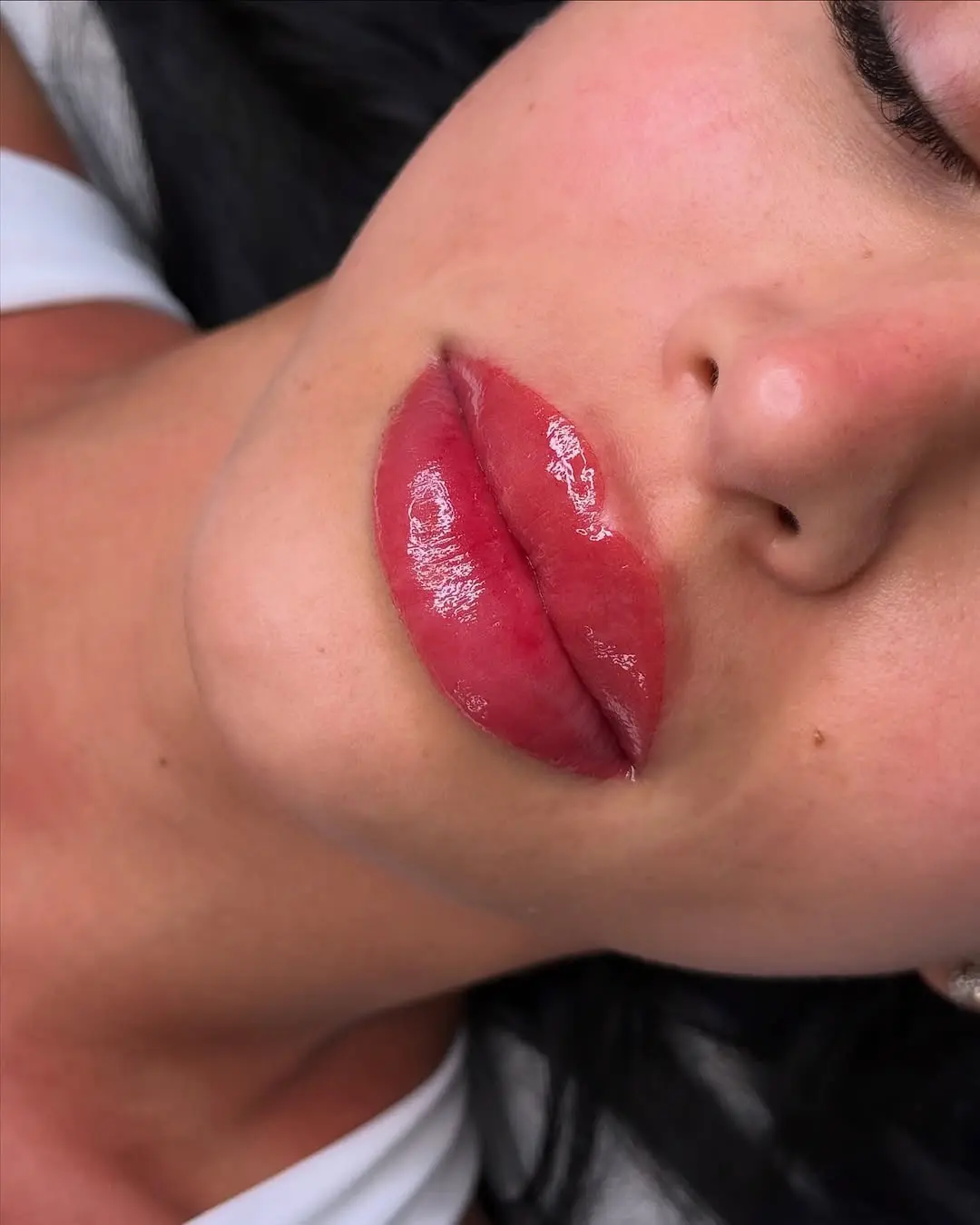
When clients sit in my chair and ask why their Retouch Lip Tattoo is such a crucial part of the multi-step process, I tell them the truth: your first lip blush tattoo lays the base, but your perfecting session reveals your true pigment, real opacity, and the lip colour you’ll actually live with every day. I’m Olha Po, a cosmetic tattoo and permanent makeup artist here in Melbourne, and I’ve seen hundreds of lips transform once they move through the full healing process and reach that final stage of lip blush.
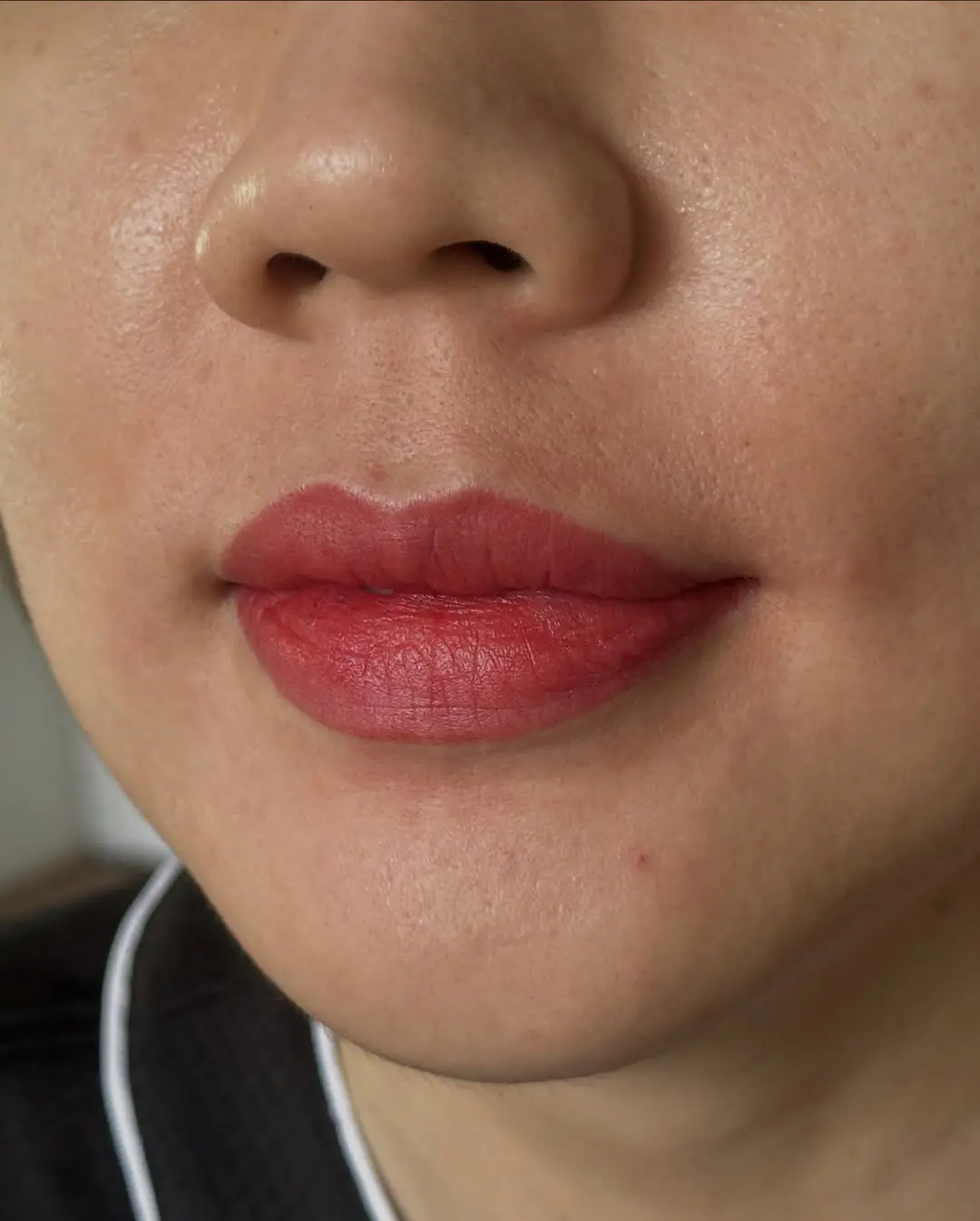
Reasons Your Lips Need a Second Session
Lips behave differently from brows or eyeliner because the tissue is softer, constantly moving, and full of micro-wounds created during the tattooing needle process. Add Melbourne weather, sun exposure in summer, heaters blasting in winter, and you’ve got lips that exfoliate fast.
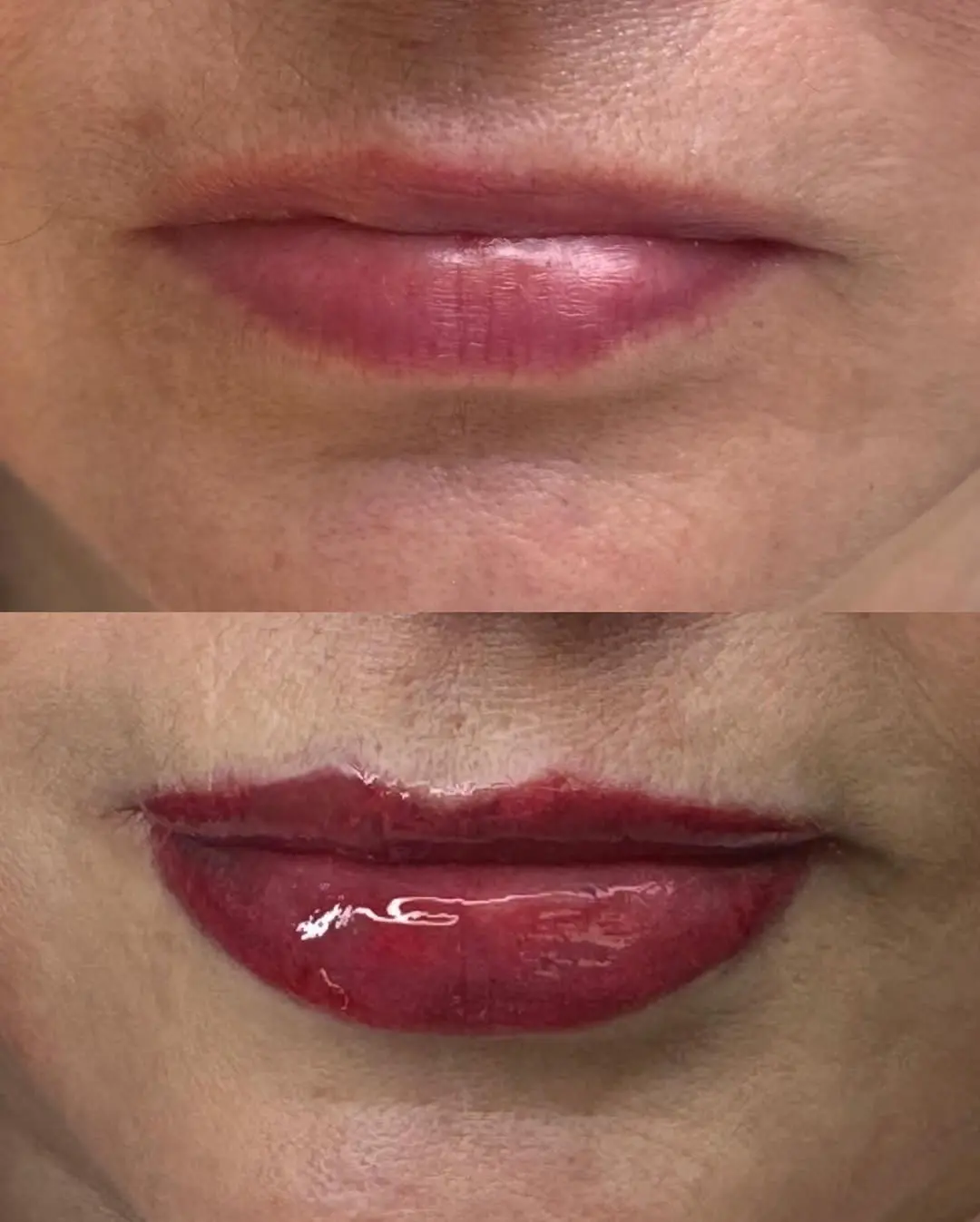
Your first lip blush treatment lays down the initial pigment layers, shapes the borders, and gives you a soft lipstick effect. But your second touch-up session evens out the underlying pigment, boosts colour opacity, corrects the patchy appearance, and enhances retention. Simply put: session one builds the framework; session two secures the final permanent lip makeup result.
Why Colour Drops During Healing
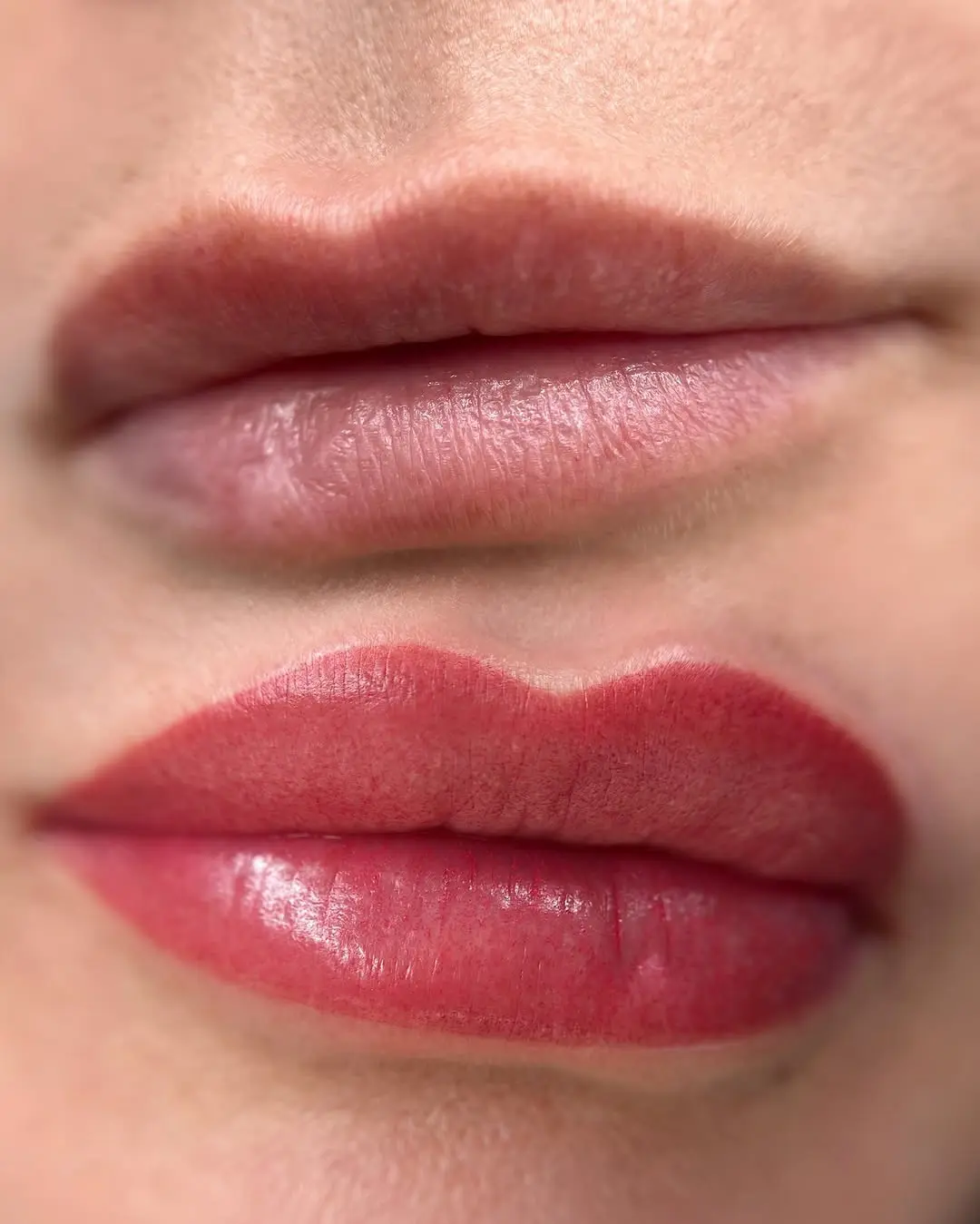
Many clients panic during the ghosting phase — the moment when their lip blush tattoo appears to fade. But here’s what’s really going on.
During the initial healing, the skin forms tiny scabs over the needle wounds. As these fall away, pigment looks lighter because it’s settling beneath new skin layers. On average, clients lose 30–60% of visible lip colour after the first session, depending on hydration, lip fillers, individual skin types, and exposure to harsh or acidic skincare products.
Cold sores or viral infections during healing can also interrupt pigment retention. If you’re prone to a cold sore outbreak, antiviral medication prescribed by your GP is essential for a stable healing period.
Who Benefits Most From a Perfecting Session
A perfecting session benefits almost everyone, but especially clients dealing with:
- Melanin-rich lips correction
- Patchy appearance or uneven lip colour
- Lips are soft or sensitive to trauma
- Frequent cold sores (impacting healed results)
- Lips exposed to direct sunlight during healing
- Autoimmune disease affecting skin forms and healing
Clients with darker underlying pigment sometimes require 2–5 sessions because deeper melanin shifts can require multiple passes to achieve true pigment balance.
What Really Happens During Your Second Session
Your second session is a whole lot easier to handle – fewer needle stabs, less initial shock, and often super quick. At Face Figurati, I take another look at your lip blush tattoo after the first layer has healed up.
During this appointment, I:
- Have another gander at the colour that’s healed and the state of your lip blush
- Figure out where the lip colour is struggling to hold on (low-retention zones)
- Add more pigment only where it’s really needed
- Tweak the warmth or coolness to get the true pigmentation looking just right
- Strengthen the edges of the tattoo without making them too harsh
- Soothe out any areas that are going through the ghosting phase and looking a bit washed out
Clients often tell me this session feels easier and less intense than their first time getting a cosmetic tattoo.
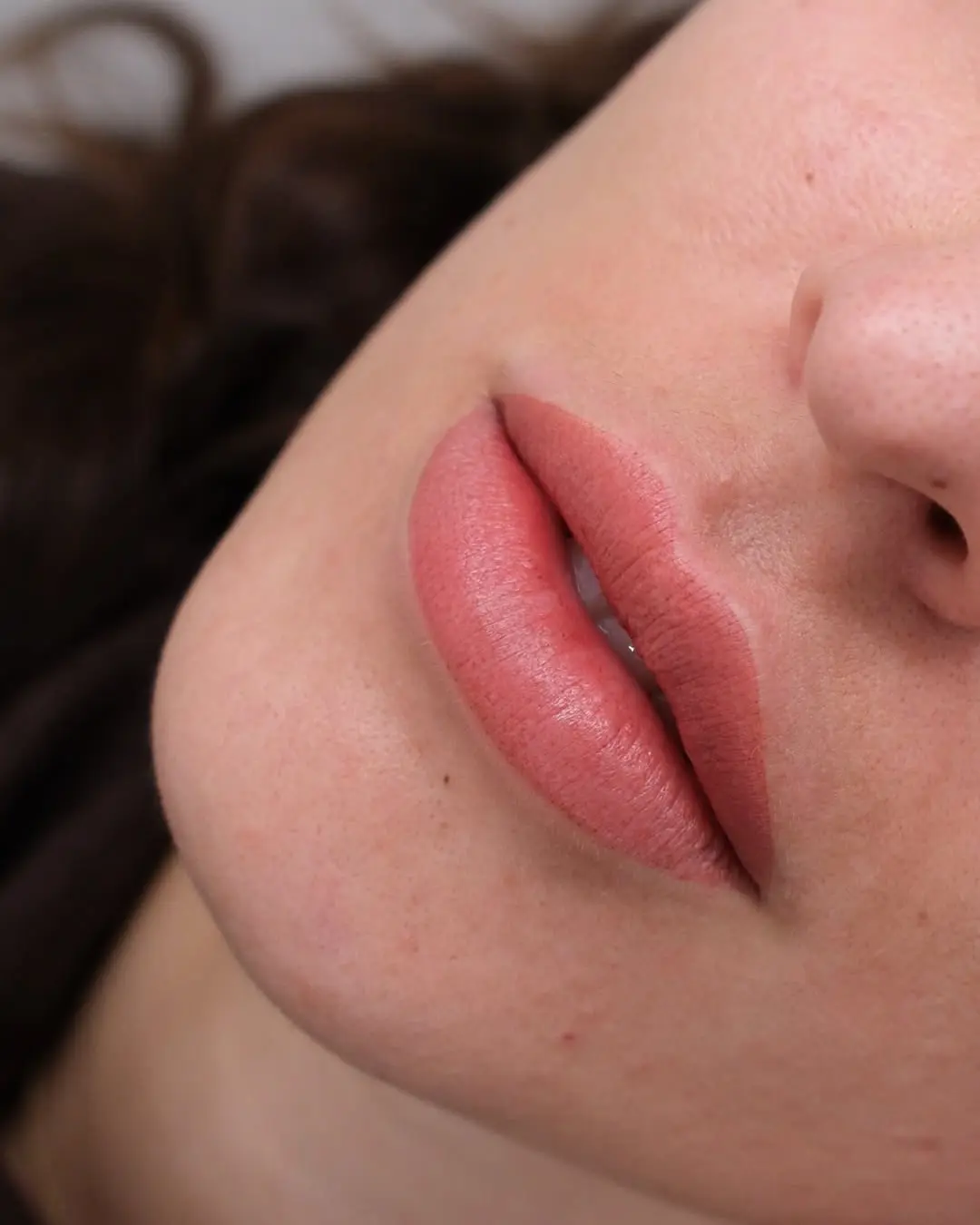
Your Healing Timeline
Healing after a touch-up is generally a breeze because the skin has already been through the process once. Here’s roughly what to expect:
- Day 1: Your lips look bright, there’s a bit of swelling, but those micro wounds close up quick
- Day 2-3: Flaking starts to show up on the lip blush – just slap on a thin layer of aftercare balm
- Day 4-6: Your lips will look lighter than usual, and some people call this the ghosting phase
- Day 7-14: The pigment starts to come back into view and your lips get soft again
- Week 4-6: The true pigment has settled, and this is what your lips will look like in the end
Just stick to a simple aftercare routine: gentle soap’s fine, no harsh soaps or chemical peels near the lips, and try to avoid direct sun exposure. Knowing how to look after a lipstick-style lip tattoo properly makes a real difference to how evenly the colour settles. This helps you keep your skin clean, irritate it as little as possible, and heal up nice and healthy.
Why Retention Improves After the Touch-up
Your lips are better at holding onto colour after the touch-up for one very good reason: they already have a layer of healed pigment in there. When we add fresh tattoo ink on top of that foundation, the pigment sticks a lot better and resists fading from exfoliation or sun damage.
From what I’ve seen in my Melbourne studio, clients are getting 20-40% better retention after their second session – especially if they’re following a proper aftercare routine and not messing with harsh skincare products while they’re healing
Pigment Retention: What The Numbers Say
Here’s a simple table showing what the numbers look like for our clients in Melbourne studios using high-quality pigments:
| Healing Stage | Average Colour Retention | Notes |
|---|---|---|
| After 1st Session (Healed) | 40–70% | Influenced by hydration, cold sores, sun exposure |
| After 2nd Session (Healed) | 70–90% | Most achieve desired opacity and true pigmentation |
| At 12 Months | 60–80% | SPF lip balm use improves longevity |
| At 18–24 Months | 40–60% | Perfect time for a colourboost |
These numbers reflect the natural healing process — no cosmetic tattoo is static, and all pigments soften gradually over time.
Preparing For Your Perfection Session
The key to a smooth healing process and amazing colour retention is good prep. To get ready:
- Gently exfoliate dead skin 48 hours beforehand to help your skin breathe
- Keep yourself hydrated as much as possible
- Give your skin a break from chemical peels, harsh skincare and acidic products around your mouth for a bit
- Have a layoff from booze for at least 24 hours, and keep in mind why smoking can affect healing after a lip tattoo as well.
- If you’re prone to cold sores, make sure to take your antiviral medication on time
- And can you please hold off on any laser or bleaching treatments on or near your lips until after your session
Really, the goal here is to just reduce initial trauma and make sure your skin is nice and receptive to that pigment.
Aftercare That Actually Works
Poor aftercare is basically the number one cause of patchy colour, nasty fungal infections and pigment just vanishing altogether. So, to keep your lip blush looking its best during healing:
- Just follow the instructions for your balm or aftercare product
- Keep your lips clean with some gentle soap and water
- Try to steer clear of harsh soaps, spicy food and direct sun exposure for a bit
- If you get swelling, a cold compress can be a lifesaver
- And whatever you do, do not under any circumstances pick at dead skin – that just gets rid of all the lovely pigment layers underneath
- And please, give lipstick and anything acidic or active a wide berth
By following this, you’ll be able to keep that lovely colour nice and opaque and prevent any irritation that might mess up your pigment development.
When a Retouch Might Just Not Be Enough
Now, sometimes a second session just isn’t going to be enough – and that’s totally fine with me. It just depends on the individual and what’s going on with your skin. You might need a follow-up session if:
- You have lips with a lot of melanin that need a bit of colour correction
- You get a cold sore (or a nasty virus) while your skin is healing
- You have an autoimmune disease that can mess with pigment stability
- You used some harsh skincare products or chemical peels a bit too early on
- Or your skin just naturally sheds pretty fast, or is super reactive
Don’t get me wrong, this isn’t about producing a “bad result” – it’s just how certain skin types behave when you’re doing semi-permanent makeup.
Long-Term Care to Keep Your Lip Blush Looking Fresh
Once you’re all healed up, your lips are going to need some ongoing care to keep that lovely permanent lip makeup looking its best:
- Slap on some daily SPF lip balm to prevent sun exposure from fading out your colour
- Keep yourself hydrated (yes, really) to stop dryness
- Steer clear of chemical peels on your lip line
- Windy days in Melbourne can be brutal for your lips, so make sure to protect them
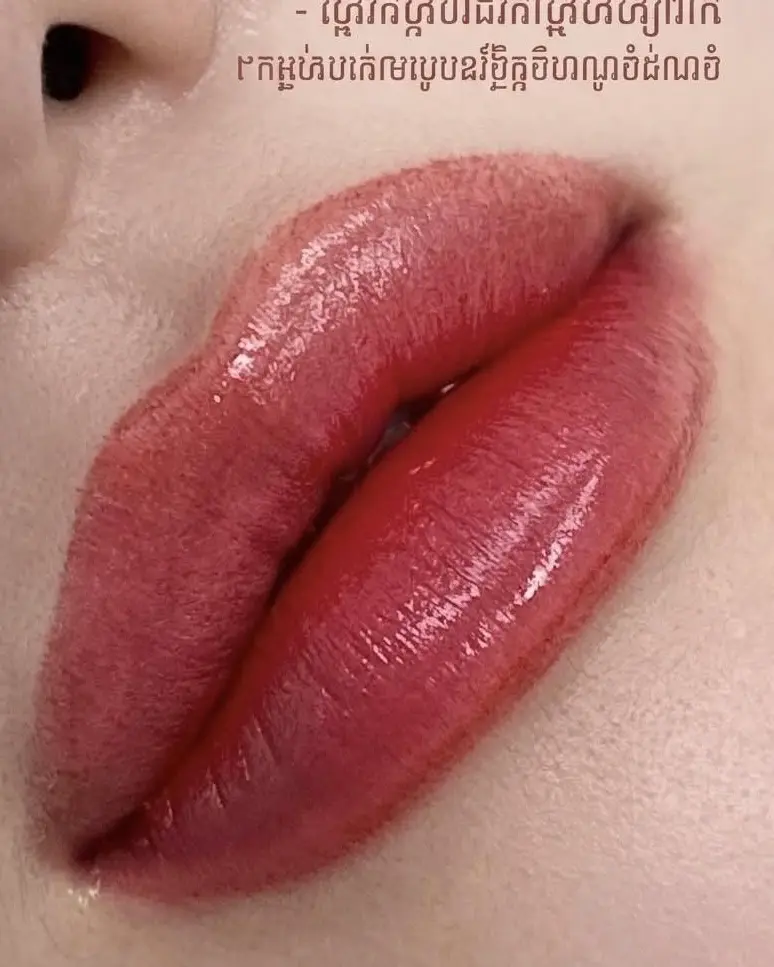
- And if you want to keep your lip blush looking its absolute best, book a colour boost session every 18-30 months
The reality is that clients who look after their lip blush do get to enjoy those gorgeous, long-lasting lip colours for years to come.
Final Thoughts and a Warm Invitation
Alright, now you might be wondering why that Retouch Lip Tattoo is such a big deal. The answer is it rounds out the whole multi-step process, locks in those pigment layers, and reveals the true intensity of your lip permanent makeup in Melbourne. It’s literally the key to that gorgeous, long-lasting lip colour that looks just like the real thing
If you’re not sure how your healing is going or when to come in for your session, feel free to reach out – I’m always here to help. At Face Figurati, Im all about getting you those lips that are soft in colour, balanced in tone and uniquely you.
FAQ
Do all clients need a second lip tattoo session?
Honestly, almost everyone does – a touch-up session is pretty much the norm for any lip blush tattoo.
Can I get a cold sore after lip blush treatment?
If you have the virus, yes, antiviral medication will help prevent outbreaks and protect your pigment.
How soon can I have my touch-up procedure?
Typically, 6–8 weeks after your initial lip tattooing session.
Why do my lips look so light during week two?
This is the ghosting stage — pigment is settling beneath new skin and will return soon.
What if pigment still looks patchy after two sessions?
Some skin types — especially melanin-rich or autoimmune-affected — may require an additional visit to achieve true pigment balance.