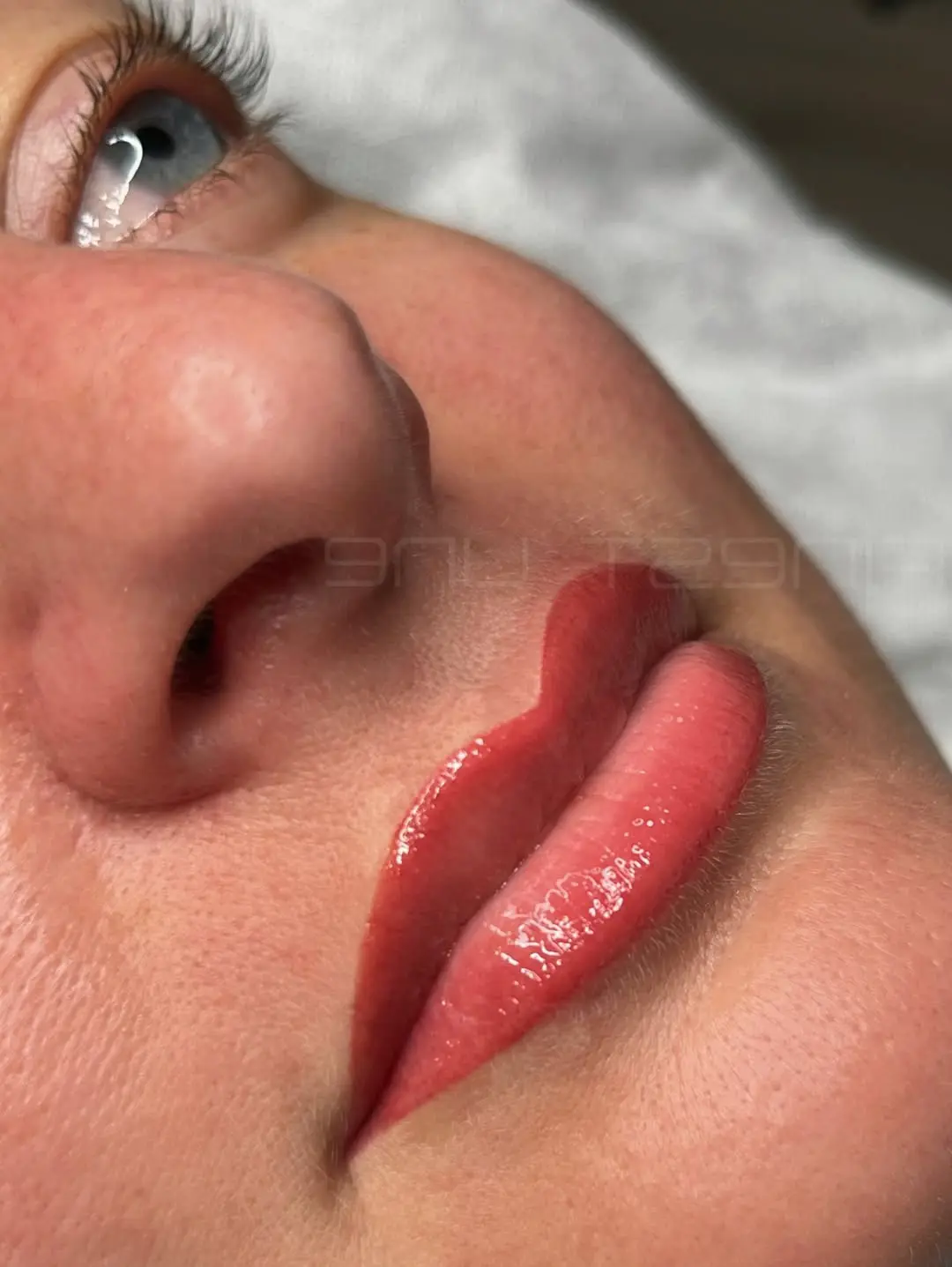
Process Lip Tattoo, the topic of conversation that usually gets treated like a nervous aside at the consult desk, right after the inevitable “Come on, be straight with me – what’s the real deal with this thing?” That’s where I’ll start. I’m Olha Po, a cosmetic tattoo artist & the founder of Face Figurati in Melbourne. With nearly a decade of experience in cosmetic tattooing, including corrections and client education, I have a solid understanding of how things work when it comes to permanent lip tattooing. No empty promises, no sales pitch – just a straight-up explanation of what exactly goes on from the first consult to when that colour has fully set in.
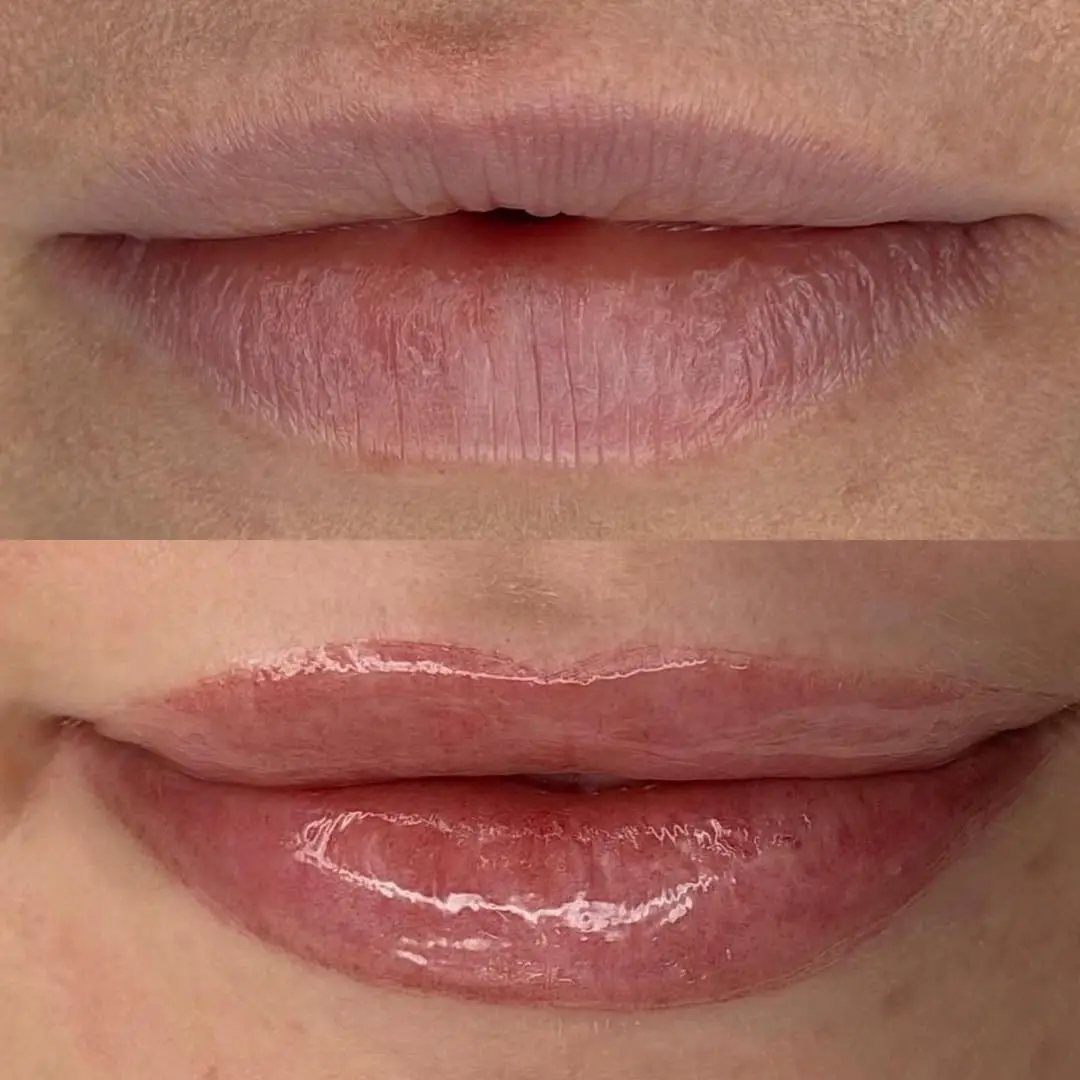
Lip Tattooing For Real – What You Need To Know
A professional lip tattoo isn’t just some luxury cosmetic tweak — one of the biggest reasons people choose cosmetic tattoos is the ability to simplify their daily beauty routine while maintaining a polished appearance – it’s actually a proper medical procedure where you take pigment and carefully deposit it into the top layers of lip skin to add some extra oomph to your lip tone, balance out the shape & give it a bit more definition. And just to set the record straight – we’re not talking about being able to ‘colour in’ your mouth like you would with a marker. What happens is a gradual build-up of colour, done in layers, with a specialist machine, the right type of pigment, and top-notch hygiene standards.
One thing that catches a lot of people out is how different lip skin is to the skin around your brows or eyeliner. The skin is much thinner, more prone to bleeding and heals way quicker – which is why the actual technique, the pressure you apply, the choice of pigment & aftercare all come into play in a way that just isn’t true of other cosmetic tattoos. When you do it right, though, you end up with this gorgeous natural tint that looks just at home on your skin tone.
The Tattooing Session: What Actually Happens in the Chair
A professional cosmetic lip tattoo session lasts 2-3 hours. From the initial consultation through to aftercare instructions, you can bet nothing is rushed. That’s especially true at a reputable Melbourne studio operating under strict Australian regulations.
Here’s how a proper session actually unfolds in real life.
Prep & Paperwork: Getting Down to Safety Business
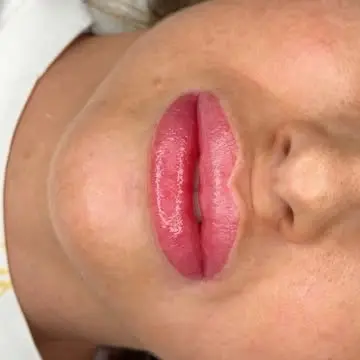
Before we even think about applying pigment to your skin, we review your medical history, get consent forms signed, and check for any contraindications. We’re talking about things like cold sore history, immune conditions, pregnancy, recent cosmetic procedures, and medications that could affect healing.
If you’ve ever had a cold sore, you might be prescribed some antiviral medication to prevent it from coming back. This is one of the most important bits – it’s not something we can skip over. It’s all part of doing things the right way with permanent lip makeup.
Studio truth:
If a tattoo artist is skipping the consultation paperwork or downplaying the medical screening, that’s not efficiency – it’s just reckless risk management.
Mapping: Finding the Right Look For Your Face
Mapping is where art meets science. We take a close look at your natural lip shape, the vermilion border, symmetry, and how your lips move – not just how they look when you’re relaxed.
It’s not about slapping on a trendy lip shape or a thick line as you’d see in some makeup tutorials. We’re discussing finding a look that suits your facial structure and will age well, whether you’re considering a subtle blush effect or a more defined lip liner tattoo approach. At Face Figurati, mapping always comes before numbing and tattooing, and you get a say in what the shape will look like before we even start.
Melbourne-specific note:
In this city, dehydration and UV damage can really mess with your lip texture and colour retention, so we take that into account when mapping. We think about how your lips will look months down the track, not just on the day of the appointment.
Numbing: Making It Comfortable – Not a Quick Fix
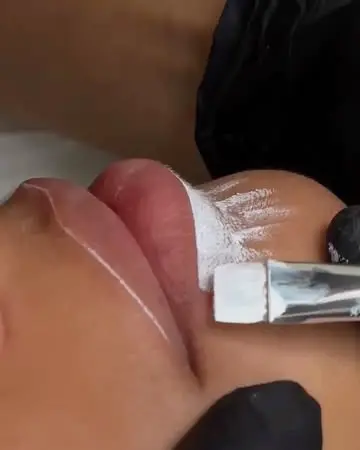
We use topical numbing in stages to keep things as comfortable as possible while still leaving the integrity of the lip tissue intact. And let’s be clear, we’re not after a complete numb. If the numbing agent is too strong, it can distort the shape and mess up the pigment placement.
Most people say the sensation feels a bit like pressure or a vibration – and not as bad as you might think. Compared to getting injectables, lip blushing is usually a lot more tolerable when done right.
Tattooing: Doing It Right, Not Rushing It
This is probably the part of the process that gets misunderstood the most.
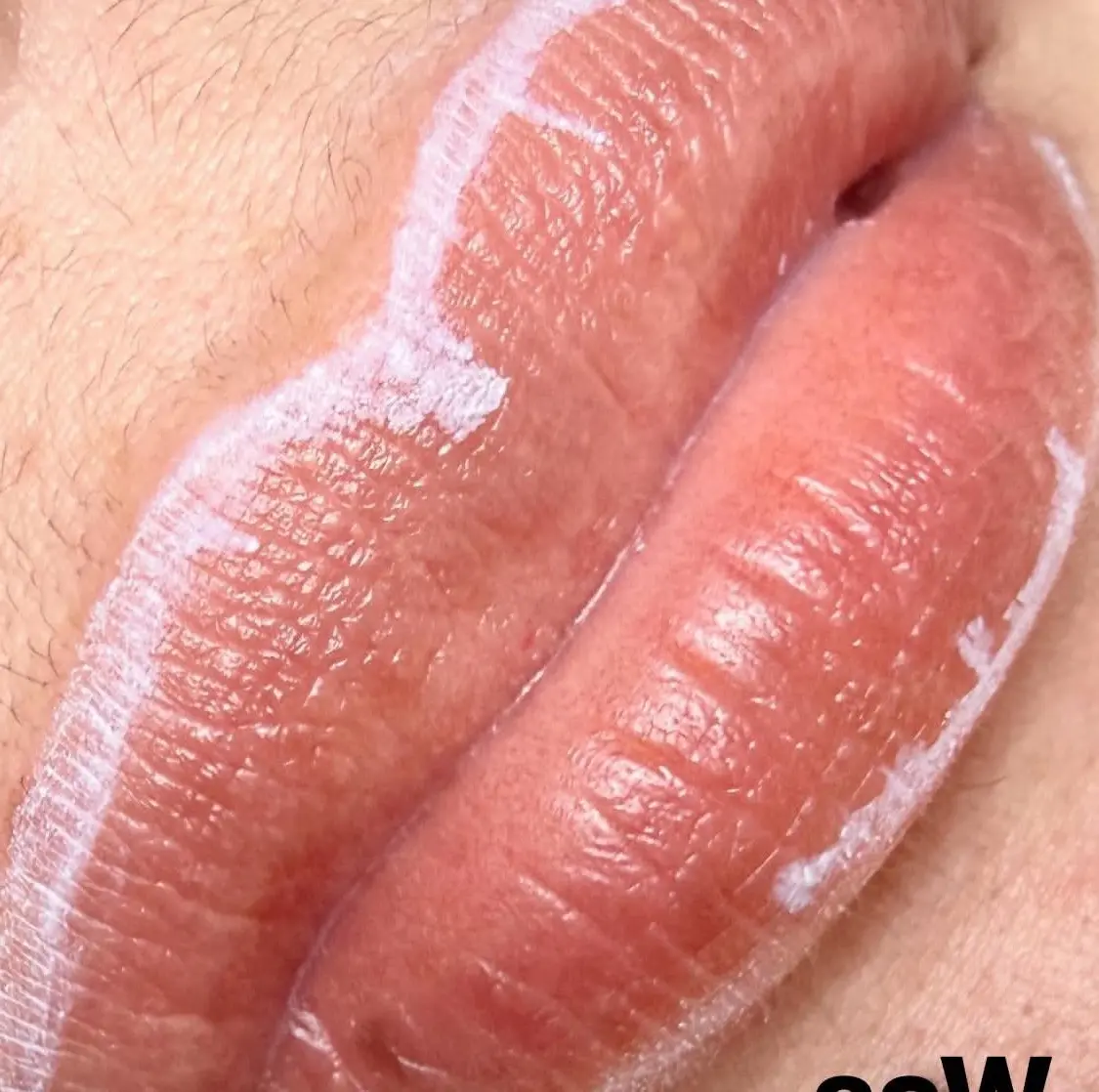
We use a high-end digital cosmetic tattoo machine and single-use cartridges to implant pigment precisely. We don’t just dump a bunch of pigment all at once. Instead, we build colour gradually with multiple light passes, allowing the pigment to settle evenly in the skin.
Getting the depth of the pigment just right is super important. If it’s too shallow, it’ll fade too quickly. Too deep and it might last a bit longer, but you could end up with some nasty long-term issues like colour shift – one of the most common problems we see when it comes to corrective work.
When it comes to pigment, we choose what will work best for you based on your undertones, natural lip colour, and how colours heal – because the truth is, lips always look softer when they’ve healed than they did on the day of the tattoo.
What we’ve seen, though: Overworking the lips is not going to do them any favours in the healing process.
Aftercare Chat: What You Do Actually Matters
Before you leave the studio, we cover the whole Lip Tattoo Healing deal in very fine detail. You’ll get a written copy of the aftercare instructions, a briefing on how to clean things up, hydrate, and make the most of your aftercare ointment.
This really isn’t something you can just sort out on your own at home. Proper aftercare includes avoiding habits that interfere with lip tattoo healing, especially during those crucial first days after treatment.
Proper aftercare tips make all the difference in keeping the colour in, keeping you comfortable, and ultimately getting the best outcome.
Typical Appointment Timeline
| Stage | What Happens | Approx. Time |
|---|---|---|
| Prep & paperwork | Medical forms, skin assessment | 10–15 mins |
| Mapping | Designing your lip borders | 15–25 mins |
| Numbing | Topical anaesthetic applied | 15 mins |
| Tattooing | Pigment implantation | 60–90 mins |
| Aftercare Chat | Instructions, expectations | 10 mins |
Important stat:
What the numbers show us is that 30–50% of lip colour will fade somewhat during healing, which is another reason you can expect touch-ups
What You Need to Do to Get the Best Result
These are guidelines that we’ve developed based on what really works for our long-term clients – not just what’s fashionable right now.
Do:
- Keep your lips clean and just lightly moisturised, not too much
- Use your prescribed aftercare ointment in moderation – not too little, not too much
- Stay hydrated; this is key during the healing process
- Avoid sun exposure, escaping the sauna and any heavy exercise for at least 7 days
- Don’t forget to come in for your touch-up appointment
Don’t:
- Don’t even think about picking at or peeling off any flaking skin
- No lipsticks, glosses or lip liners while the healing process is underway
- Don’t share utensils or let your lips get exposed to someone else’s saliva
- Avoid using any strong skincare products around the mouth area
- Don’t freak out when the colour fades a bit temporarily – it’s totally normal
FAQ
Will cosmetic lip tattooing completely replace my lipstick?
No, not at all. What a lip tattoo does is give you a natural base colour, and loads of our clients still use some kind of lipstick or gloss on top.
Is lip blushing safe for sensitive skin?
Absolutely, if your tattoo artist is properly qualified and uses only the best quality pigments and proper technique.
How long do lip tattoo colours generally last?
Typically, 2-3 years – but this can depend on a few factors like how fast you metabolise, how much sun exposure you get and how well you stick to your aftercare routine.
Can old or uneven lip tattoos be fixed?
A lot of the time, yes, but it does depend on things like how deep the tattoo is, the colour and what sort of pigment was used in the first place.
Do you always need antiviral medication?
No, only if you have a history of cold sores or are in a high-risk group.