The title Risks and Side Effects of Lip Tattoo tends to freak people out right off the bat, before they’ve even had a chance to sit down with me in the studio. So let’s get real. Cosmetic tattoos, like lip blushing, are generally pretty safe these days, as long as they’re done by someone who knows what they’re doing, and understanding who should perform cosmetic tattoo procedures is a big part of making the right choice.
Hi there, my name’s Olha Po, I’m the founder of Face Figurati here in Melbourne, and well, after nearly a decade of doing permanent makeup, I’ve had the chance to see firsthand just how great a good lip liner tattoo can look – and also what can go wrong when things aren’t done quite right.
You’re looking this up because you’re doing your research (big props to you for that), and my goal here is to break down every single realistic side effect you might experience, explain why it happens, how often I see it in the studio, and what you can do to avoid bigger problems like pigment migration, allergic reactions, cold sore outbreaks, and bacterial infections.
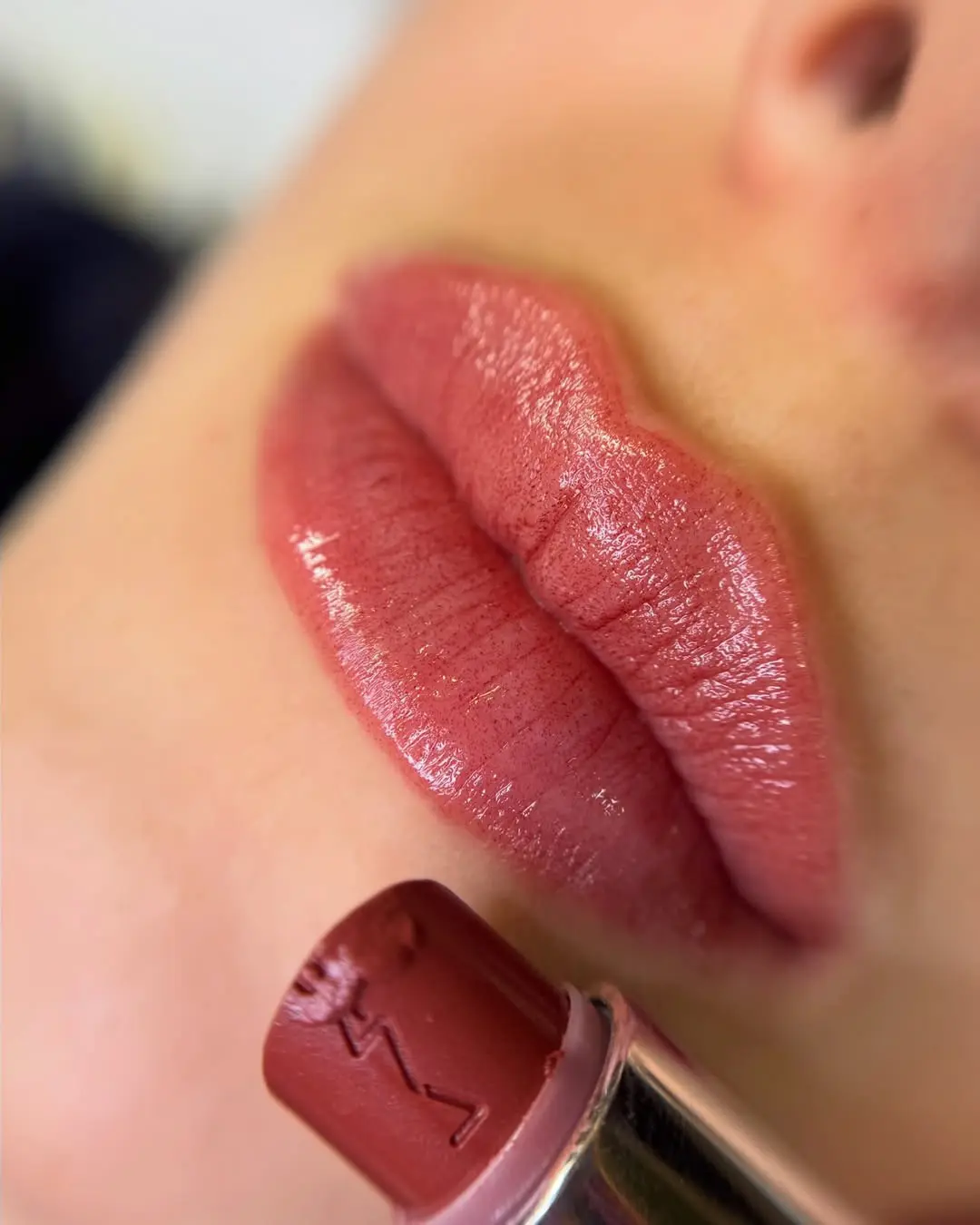
Reactions Your Lips Can Have
Lip skin is thin, super sensitive, and pretty much always on the go – so it’s bound to react to semi-permanent makeup to some degree. A bit of puffiness, dryness, or that bold new colour in the early healing phase is just par for the course. It’s all about knowing the difference between normal and not-so-normal reactions.
Now, being in Melbourne means we’ve got our fair share of pretty extreme weather conditions – blistering winter winds and scorching summer heat that can dry out your skin in no time. So your skin tone and seasonal moisturising levels can both play a big role in how your lip blush tattoo settles.
The Usual Suspects: Expected, Normal Healing Responses
These are the completely harmless reactions I see all the time in the studio:
- Mild swelling that usually goes away within 24-48 hours
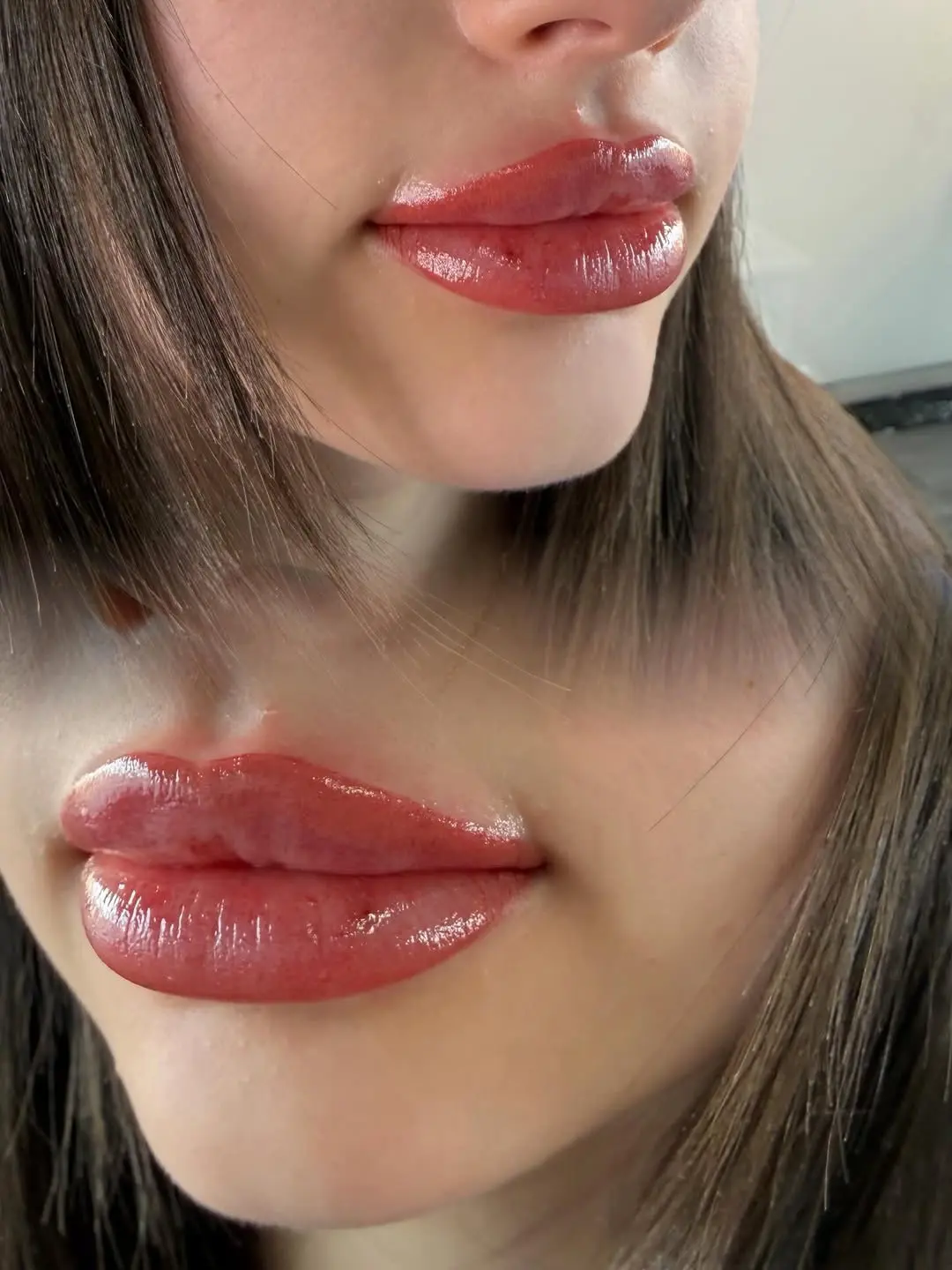
- That brand new colour looks pretty vibrant right after I’ve done your lip tattoo
- A bit of flaking around day 3-5 – that’s just your skin shedding the old to make way for the new
- A bit of patchiness in the healing phase – don’t worry, it’ll settle in time
- And that soft, faded finish after the pigment has settled – that’s just a normal part of the process
I had a client only the other day who messaged me mid-healing, saying her lips looked like a highlighter. Two days later, she wrote back laughing, saying they’d settled beautifully once the aftercare ointment had done its job. That’s pretty much the normal rhythm of semi-permanent makeup on lips.
Swelling: The Why and When it’s Too Much
Swelling – one of the first signals that your body’s reacting, especially with the lips, which are a super vascular area. A modern tattoo machine, a gentle touch, and getting the right amount of ink in should reduce the trauma, but we still end up swelling a bit anyway.
But if swelling gets too much, it might be a sign that you’re super sensitive to that numbing cream or aftercare ointment. Alternatively, your tattoo artist might be working the skin a bit too hard – especially if they don’t have a ton of experience. Dehydration before the appointment can also cause issues, and if you’ve got a reactive skin tone or existing inflammation – watch out!
Drinking plenty of water is basically the cheapest form of insurance you can give yourself before getting any form of permanent makeup done. And especially here in Melbourne with our crazy summer heat, it’s more than just a good idea – it’s a necessity.
Cold Sores: The Big Complication
This is the one everyone’s really worried about: cold sores. If you’ve got the Herpes simplex virus (HSV-1) lying dormant in you – and a lot of people do unknowingly – then, yeah, lip blushing can definitely trigger an outbreak, even if it’s been years since you last had one. The WHO says a pretty big chunk of adults are carriers of this virus.
How We Prevent it at Face Figurati
Here’s what we do to prevent cold sore outbreaks:
- Anyone with a history of cold sores needs to take some antiviral meds 2 days before the appointment and keep taking them for 3 to 5 days afterwards.
- If you’ve got an active cold sore, we’ll just have to reschedule the appointment.
- Cold sores aren’t just a nuisance – they can distort the pigment, slow down the healing process and give you an uneven colour, so prevention is key.
Infection Risks: The Ones to Watch Out For
Bacterial infections are super rare, especially with artists who take hygiene and cleanliness seriously and follow all the right protocols. But in some cases, they do happen:
- When studios and artists aren’t following the right sterilisation procedures
- When you keep touching your lips with unwashed hands – talk about a no-brainer
- When you ignore the aftercare instructions
- When you go to the gym, sauna or go for a swim too early
Bacterial Infection Symptoms
If you start experiencing:
- Redness that just gets worse after day 2
- Fever or something flu-like
- Yellow or green discharge
- Warmth or tenderness
Then it might be time to get it checked out.
At my Melbourne studio, I only use single-use, sterile equipment and follow all the cosmetic tattoo safety standards. And to be honest, I see a fair few complications come up when clients were tattooed in places that just weren’t up to code.
Pigment Reactions and Allergies
Now, true pigment allergies are extremely rare in the world of cosmetic tattooing, but allergic reactions can still pop up from:
- Aftercare products that you’re using
- Environmental triggers, such as using lip balm with perfume on it during the healing stage
- Sensitive skin or compromised skin tone
- Autoimmune triggers
Why It Happens
Some people react to the actual tattoo pigment, but more often than not, aftercare products or environmental triggers are the culprits (like using a certain lip balm during the healing stage).
If you’ve got a history of skin sensitivities or autoimmune concerns, I’ll tailor the pigment selection and do some patch testing to suit your skin.
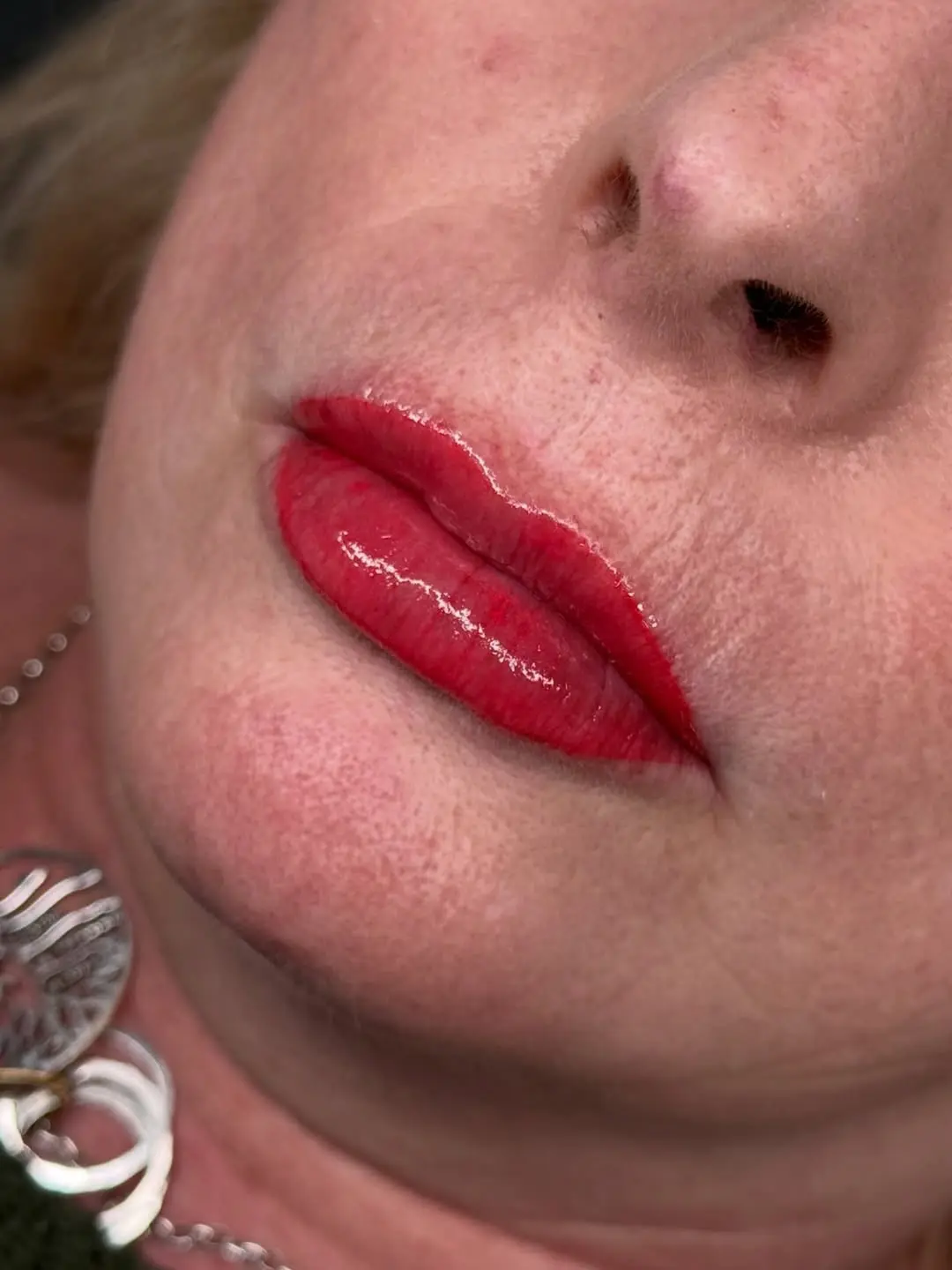
Uneven Colour or Patchiness After Healing
Let’s get real – patchiness isn’t a reflection of the artist’s skills. The truth is, lips are all different – varying in thickness, moisture levels and undertones, so it’s no wonder some areas heal a bit unevenly.
Causes of this kind of uneven healing include:
- Lips that are seriously parched or cracked when you book the treatment
- When clients get into the habit of picking at flaky bits during the healing process
- Problematic circulation in certain areas of your lips
- The fact that some of us are just naturally a bit lopsided
That’s exactly why we schedule a perfection session for every lip tattoo. Normally, about 30 to 40% of clients need a bit of tweaking for balance – it’s just part of the process, not a sign that anything’s gone wrong.
Darkening or Hyperpigmentation
Some skin tones are naturally more prone to getting darker or looking cool-toned after healing. And don’t even get me started on how hormones, the sun and your natural melanin levels can all influence the final result.
Prevention is the Best Medicine
- Keep slathering on that daily SPF lip balm
- Draw a curtain between your skin and the sun during the healing period
- Make sure you get those nice pink tones looking good before trying to add any other colour
- Just follow the aftercare instructions to the letter
And let’s be honest, hyperpigmentation can be a real pain – but it’s usually temporary and just needs some patience and a bit of colour strategy savvy.
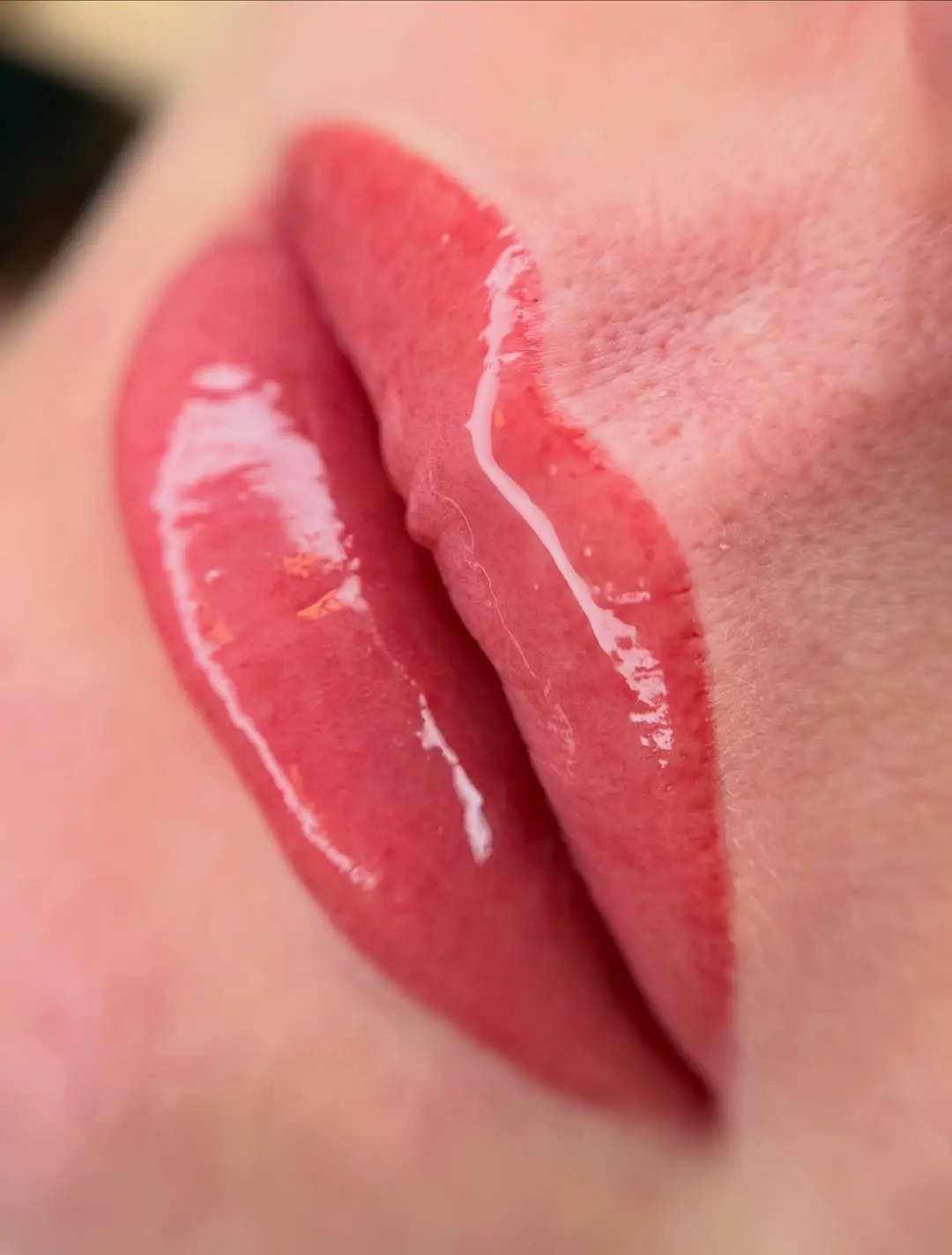
Table: Common Lip Tattoo Side Effects vs. What’s Actually a Problem
| Reaction / Symptom | Normal? | When It Signals a Problem |
|---|---|---|
| Mild swelling | Yes | If swelling increases after 48 hrs |
| Bright initial pigment | Yes | If the colour turns grey, purple, or unusually dark |
| Flaking | Yes | If you pick and cause open wounds |
| Cold sore | Common without antivirals | If the outbreak spreads aggressively |
| Redness | Mild is normal | If redness expands + heat or discharge |
| Uneven colour | Very common | If still uneven after touch-up |
| Itching | Normal | If accompanied by a rash-like texture |
The Real Reason Artist Skill Matters When it Comes to Side Effects
You’ll hear a lot of studios saying that technique isn’t that big of a deal – but trust me, it makes all the difference. I’ve spent years correcting work done by other artists, and nine times out of ten, I can figure out what went wrong in just a few seconds:
- Overworked skin is usually a result of an artist being too heavy-handed.
- Blowouts or migration are often due to using the wrong machine angle or depth.
- A greyish healed tone can happen when an artist chooses a pigment that doesn’t match the client’s undertone.
- Patchiness is often a result of not taking into account the client’s circulatory variations.
And don’t even get me started on the “just follow a YouTube tutorial” micro-tattoo trend – your lips deserve so much better than that.
Permanent makeup is not a game to be played – it’s a serious procedure that requires a reputable artist with real experience.
Why Melbourne’s Climate Affects Lip Healing
As someone who’s lived in Melbourne for years, I can tell you that our local climate can play havoc with lip healing:
Winter (June–August)
- The wind and heaters can dry out your lips something fierce – clients really need to up their pre-care hydration game.
- Skin sensitivity goes up, especially for mature clients.
- Clients need to be extra careful in winter.
Summer (December–February)
- The heat of summer can cause swelling and increase the risk of infection when clients sweat excessively.
- Sun exposure can compromise pigment retention; clients need to be extra careful with sun protection.
Allergy Season (when the pollen spikes)
Melbourne’s famous pollen can cause unexpected lip swelling and itching – I always ask clients if they’re in the middle of an allergy flare-up before booking.
Who’s More Likely to Experience Stronger Side Effects?
I always tell clients the truth: side effects from lip tattoos are usually mild, but certain factors can make them more noticeable.
More common in:
- People who’ve had cold sores in the past
- Fitzpatrick skin types 1–2 (those with more red skin will show it more)
- Clients who are dehydrated
- Clients with very textured, mature lips
- Smokers (healing takes longer)
Less common in:
- Clients with well-hydrated skin
- Fitzpatrick types 3–5
- Clients who follow their aftercare instructions to the letter
- Regular SPF users
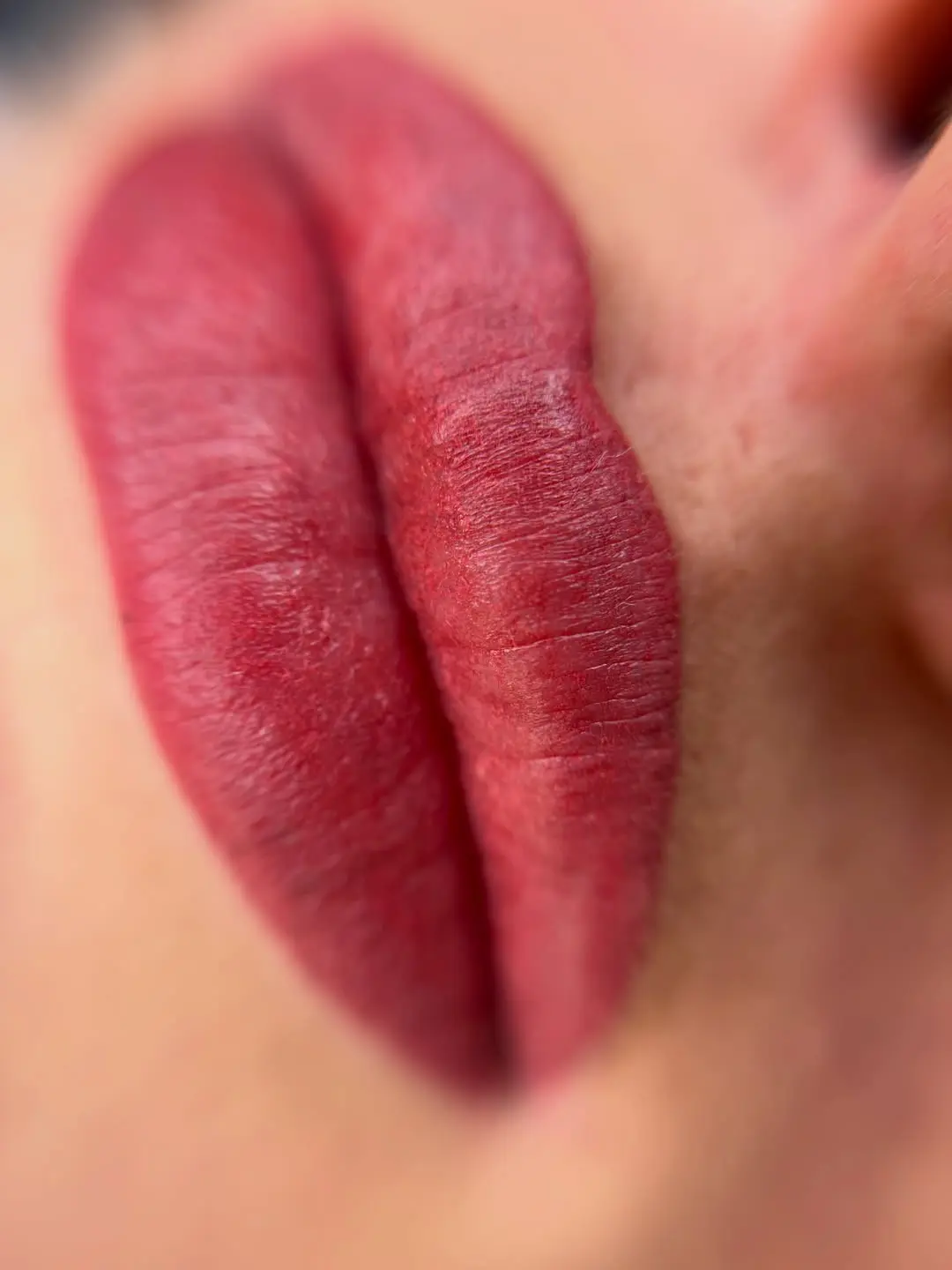
How to Reduce the Chance of Side Effects (My Melbourne-Proof Checklist)
Before Your Appointment
- Hydrate like crazy for three days beforehand (at least 2 litres of water a day will help)
- Try to avoid getting sunburnt or chapped lips before coming in
- Avoid blood-thinning meds like fish oil and alcohol 24 hours before
- If you need antiviral meds, start taking them a day or two before
- Give your lips a gentle scrub two or three days before (don’t do it the morning of, though!)
After Treatment
- Keep those lips clean and lightly moisturised
- Don’t touch them too much!
- Avoid kissing, sweating, spicy food, and hot drinks for 48 hours after
- Follow your aftercare instructions to the letter
During Healing
- Don’t even think about picking at it
- Be prepared for some colour fade (30–50% is normal)
- Protect that colour with some SPF
- Book your perfecting session 6–8 weeks later
Real Melbourne Case Example
Last winter, a lovely client came in with very dry, natural lips. After treatment, her lips healed a bit unevenly – normal for clients with skin that’s compromised. At her perfecting appointment, we evened out the colour with a few tweaks and the perfect colour palette for her undertone.
Semi-permanent makeup is a multi-step process, not some kind of magical one-session fix, and knowing how long lip colour typically lasts can help you set more realistic expectations from the start.
Your Lips, Your Confidence, Your Choice
Lip Blushing – A Way to Enhance Your Natural Lip Look (If Done Right)
I’ve got a job to do as a permanent makeup artist: to set your expectations straight, give you the lowdown, and deliver results that you’ll love for years to come with no nasty surprises sneaking up on you.
If you’re thinking about lip blush tattoos or need some sorting out for a cosmetic tattoo you’re not so happy about, hit me up. At Face Figurati, Melbourne clients know they’ll get a professional who’s not only skilled but also honest and can throw in a bit of a laugh along the way.
FAQ
Does a lip blushing tattoo hurt?
Honestly, not really – most people say it’s a bit like someone running their nails over your skin, but with some good numbing stuff and a gentle machine, the pain is pretty minimal.
Can I get lip blushing done if I’ve got lip fillers?
Yeah, sure thing – just make sure you’ve had them for a good month before the tattoo appointment.
How long is the whole healing process?
You’ll be a bit swollen for a couple of days, then the flaky skin will sort itself out in 3-5 days and by around week six, your lip blushing will look pretty much as it’s meant to.
What if I’m the type of person who gets cold sores?
If that’s you, you are going to have to be on antiviral medication to stop you getting one while your lip blushing is healing, because if you do get one, it can mess up your results.
Can I totally avoid any complications?
No, nobody’s perfect – but getting a reputable artist and following aftercare will make a huge difference in how your lip blushing turns out.